Of course, carbohydrates are the main source of fuel for muscles. But that doesn't mean you should neglect fat. Lipids play important roles in the body, for example, they limit the use of glycogen, thus conserving energy for long term physical activity.
But first of all, what are lipids? What are its other roles in the body? And finally, what are the 10 foods richest in fat? This article will answer these questions.
What are fats?
Lipids are fatty acids. There are 2 kinds of fatty acids. The essential fatty acids that the body cannot synthesise, such as omega-6 (linoleic acid) and omega-3 (alpha-linoleic acid), and the non-essential fatty acids. Essential fatty acids play an important role in the body's cell membranes. Lipids play an important role in the proper functioning of the body, i. e. in several vital functions.
What are the roles of lipids in the body?
They have many roles:
- Structural role: lipids, particularly unsaturated fatty acids, are the main constituents of cell membranes and cells of the nervous system. They also ensure the plasticity and elasticity of the skin as they constitute the cells of the dermis. They also protect organs as shock absorbers.
- Energy role: lipids are sources of energy. It is ideal for compensating for the efforts expended during intense training sessions lasting more than 30 minutes. Lipids provide 9 kcal of energy per gram, whereas proteins and carbohydrates only provide 4 kcal per gram. They are therefore essential to cover energy needs.
- Thermal regulating role: they help the body to maintain the ideal temperature of 37°, whatever the outside temperature.
- Role in hormone synthesis and transmission: fatty acids act in the synthesis of certain steroid hormones, derived directly from cholesterol, including oestrogen, testosterone and cortisol. They also allow the transmission of hormonal messages.
- Role as transporter of fat-soluble vitamins: lipids transport certain vitamins called fat-soluble vitamins, including vitamins A, D, E and K. The latter can only be transported by lipids.
What foods are rich in fat?
There are several sources of fat. Fats come in several categories: polyunsaturated fats and monounsaturated fats. The fat content should be between 30 and 40% of daily calorie intake. Many foods contain fat, such as butter, margarine, vegetable oils, fried foods, pastries, and some pre-prepared foods.
But here is a list of the 10 foods that are richest in fat:
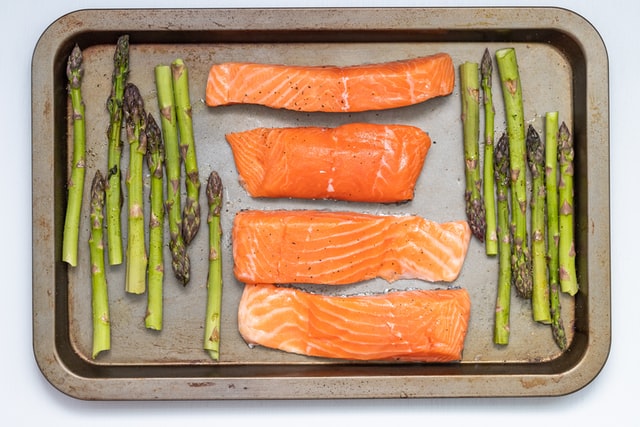
- Fish: such as salmon, herring, mackerel. They are very rich in unsaturated fatty acids. They are also sources of omega 3.
- Eggs: as long as they are eggs from hens that come from free-range farms and that only eat grass or flaxseed rich in omega 3.
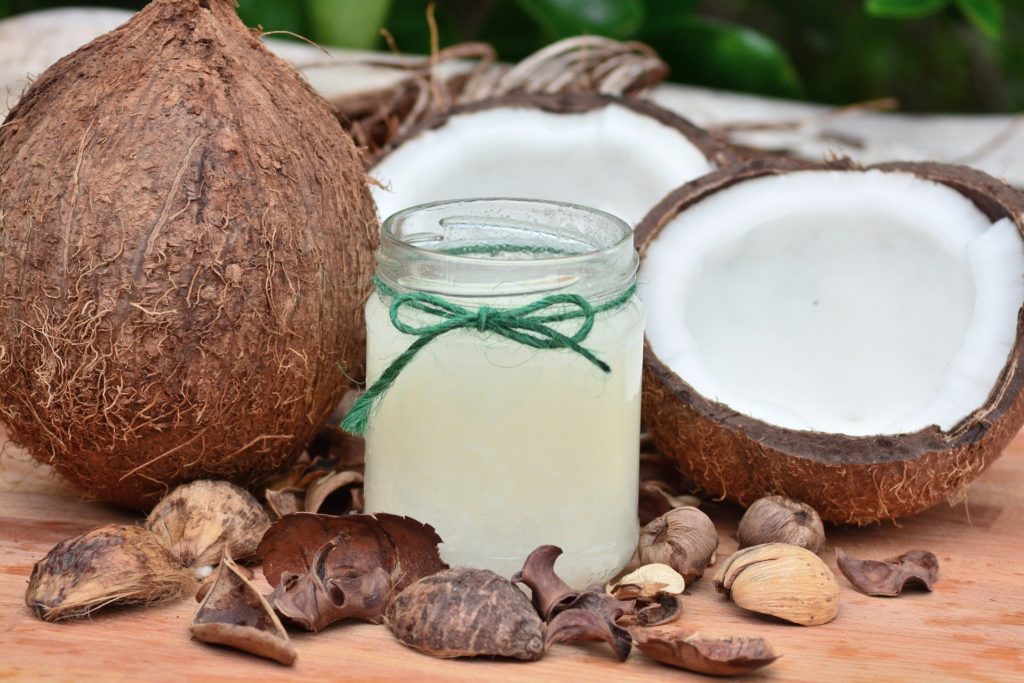
- Vegetable oils and margarines rich in omega 3 and omega 9: such as avocado oil, flaxseed oil, walnut oil, hazelnuts, cod liver oil, rapeseed oil, rapeseed oil (rich in omega 3), olive oil, peanut oil (rich in omega 9),coconut oil.
- Cocoa: especially prefer dark chocolates as the cocoa content in dark chocolates is high and they are therefore also rich in omega 3.
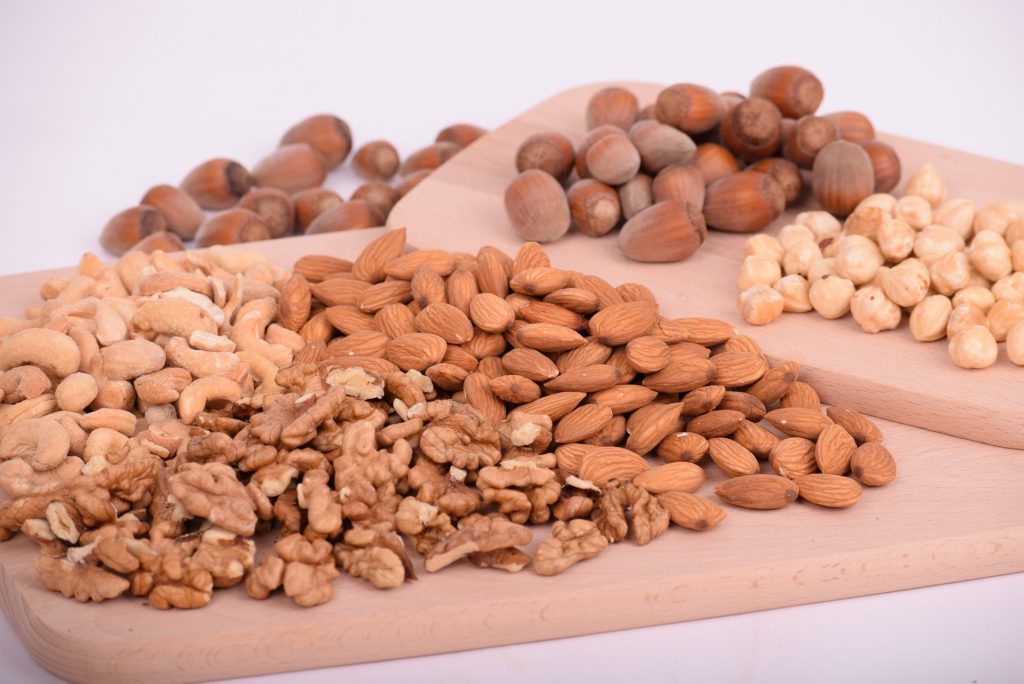
- Oleaginous fruits: such as walnuts, almonds, hazelnuts, pistachios,peanut butter, etc. . . They are rich in omega 3.
- Red meats: especially meats that come from agriculture and free-range farming.
- Green vegetables: such as watercress, lettuce, spinach, etc.
- Grains: such as flax seeds, chia seeds, etc.
- Cod liver oil: this is the richest source of omega 3.
- Poultry: contains several unsaturated fatty acids provided it is free range.
It should therefore be noted that, as seen above, lipids play very important roles in the body and in vital functions. Therefore, it is important not to neglect to replenish your lipids.