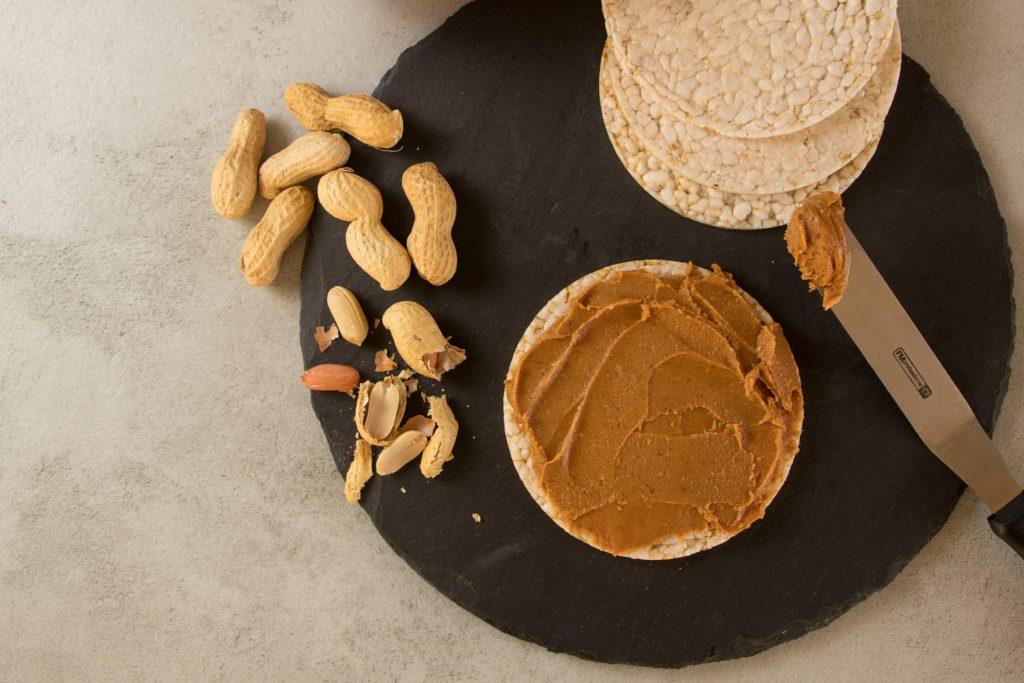
Peanut butter has many benefits, especially for athletes who work out. In fact, it is one of the best foods to consume. With its delicate taste, energizing and also affordable price, it is very beneficial especially for health.
Many people think that peanut butters are too high in calories, so they prefer not to eat them. But is this really the case? This article will talk about the benefits of eating peanut butter, how much protein it provides? Does it contain good fat? How to consume it? And what are the different kinds of peanut butter?
What are the advantages of consuming peanut butter?
For athletes and bodybuilders, peanut butter is ideal as a natural source of calories and protein. It is also a source of folic acid including vitamin B9, vitamin E, magnesium and resveratrol. Moreover, it is cheap.
The resveratrol it contains is one of the best micronutrients. It is also a natural antioxidant and antimicrobial that comes from the peanut plant. And these are higher amounts compared to those in red grapes. It also helps to reduce the rate of cardiovascular disease risk even after consuming high-fat foods.
Thanks to its antioxidant effect, it also prevents pathogens such as bacteria, viruses and fungi.
It also contains enough zinc which helps to have a good functioning of the immune system. It also plays a role in the production of testosterone.
How much protein does peanut butter provide?
Peanut butter is a good source of protein for everyone, but especially for vegetarian athletes who work out. Two tablespoons of peanut butter contain about 7 grams of protein.
Does it contain good fat?
Yes, peanut butter is a source of good fat. The fat it contains in the peanut paste is a good fat. It contains mono and polyunsaturated fatty acids. These help the cardiovascular system to function properly. They also prevent bad cholesterol.
However, you must be careful about the qualities of butter because they are not all the same. Refined butters contain trans fats, which is not the case for organic butters. Therefore, it is preferable to choose organic or 100% natural peanut butter (i.e. composed of 100% peanuts as ingredients).
How to consume peanut butters?
There are several ways to consume peanut butter:
It can be consumed during snacks between meals. A multi-cereal bread spread with 2 tablespoons of it is more interesting and brings much more benefit than a fast food hamburger. The mono- and polyunsaturated fats in peanut butter help you stay healthy and especially to have a good heart health. Contrary to the saturated or even trans fats that hamburgers contain, which can harm your health by increasing the risk of having heart problems.
It is also possible to drink a large glass of milk with a piece of bread spread with peanut butter. This mixture will fortify the protein content in the body. In addition, peanut butter contains a small amount of essential amino acids. The amino acids contained in milk and bread are complementary to the small amount of amino acids contained in peanuts. These amino acids will then optimize the performance and growth of muscles. They also help to repair them.
A little tip: store the jar upside down to avoid the accumulation of fat at the height of the jar. This way, when you open the jar, the fat will be distributed proportionally throughout the jar.
What are the other different types of peanut butter?
There are two types: defatted peanut butter and powdered peanut butter
Defatted peanut butter
This is the type of peanut that is low in fat. You can find it everywhere. These contain 15g less fat than standard peanut butters
Powdered peanut butter
Powdered peanut butter, also known as "powdered peanut butter" is very popular because it is low in fat. Its fat content is 85% less than other butters.
The principle with the peanut powder is that the oily part is removed to have a peanut powder. Then you just mix the powder with water to get the spread. In this case, the paste is quite grainy and not too creamy but the taste is still the same as other types of peanut butters.
This is also a defatted peanut butter. These are ideal butters for people who are watching calories. In addition, peanut butter powder can be mixed with other preparations. Like with smoothies, protein bars, cakes or other snacks. And why not mix in a bowl of oatmeal.
What are the benefits of peanut powder?
- It is richer in antioxidants.
- It does not contain too many calories.
- It is twice as high in protein.
- It is also a good source of dietary fiber (4.5 g per serving).
- Low carb and keto friendly.
What are the disadvantages?
Hazardous solvents may be used during the manufacturing process. Many companies use mechanical presses to separate the fats (oils) to obtain peanut powder. Other brands, however, use solvents. And this is dangerous for health because chemical residues inevitably remain with the powder.
It is also likely that the good fats are eliminated. Peanut butters contain about 80% of unsaturated fats (monounsaturated and polyunsaturated) and these have many health benefits. It is the same contribution of unsaturated and saturated fat obtained with olive oil. However, during the degreasing process, these fats are also eliminated. Moreover, the vitamin E is also removed because it is soluble in oil.