
Vitamins and the Right Dosage for Sportsmen and Women
All vitamins are different, as well as their storage mode. An athlete consumes both water-soluble and fat-soluble vitamins.
The water-soluble ones, such as vitamins B and C, travel through the body's fluids. They are not stored and are usually quickly eliminated. The only exception to this is B12, which is stored in the body.
Fat-soluble vitamins such as A, D, E or K are stored in the liver and fatty tissue, but also in the muscles, as in the case of vitamin E.
Depending on their nature and storage mode, the intake of vitamins by sportsmen must be different. Indeed, a good dosage must be adopted to optimise performance, but also that of the wallet. Here is a dosage to be adopted for vitamins in sportsmen and women.
Every 3 days
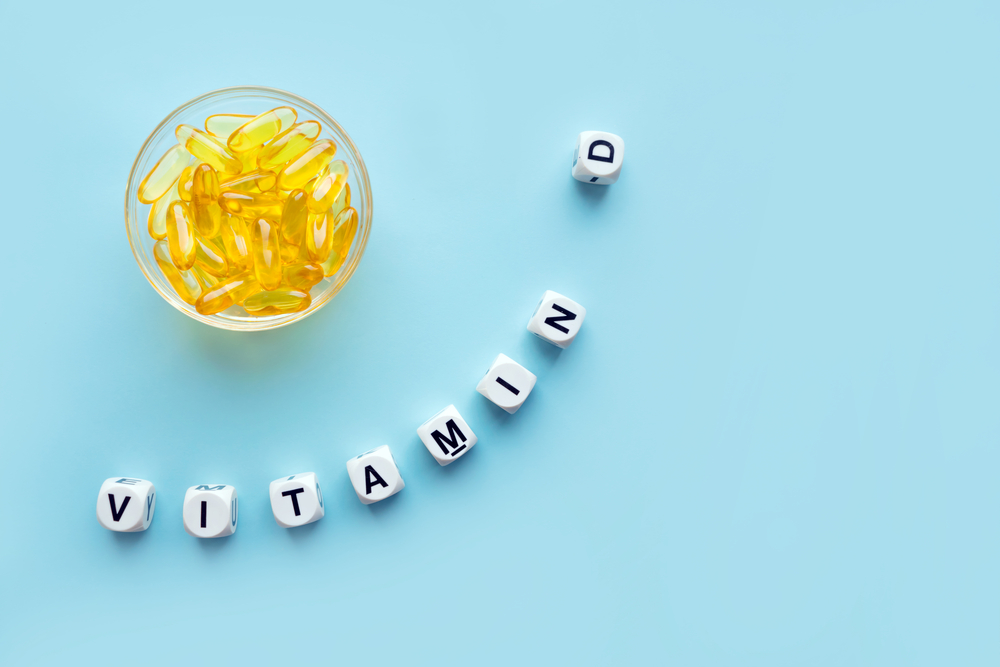
For vitamin D, it is advisable to consume 10,000 iu every three days, dosage to be done according to the results of analyses.
The current expected healthy level is 60ng/ml, but it is only after knowing one's own level that an athlete can define the necessary dosage.
Studies show toxicity effects at 150ng/ml or about 40,000ui /d.
Alternatively, a single dose per week can be taken, e. g. 25,000ui each Monday.
It is not uncommon for people with multiple sclerosis or polyarthritis to take one ampoule of l 00,000ui each month.
If one does not know on which dosage to start a winter cure, the average is 1000ui/15 kg of body weight, that is 4000ui for a person of 60kg.
For vitamin E, it is advisable to consume 400mg along with coenzyme Q10 after the age of 50 with generally 200mg/d.
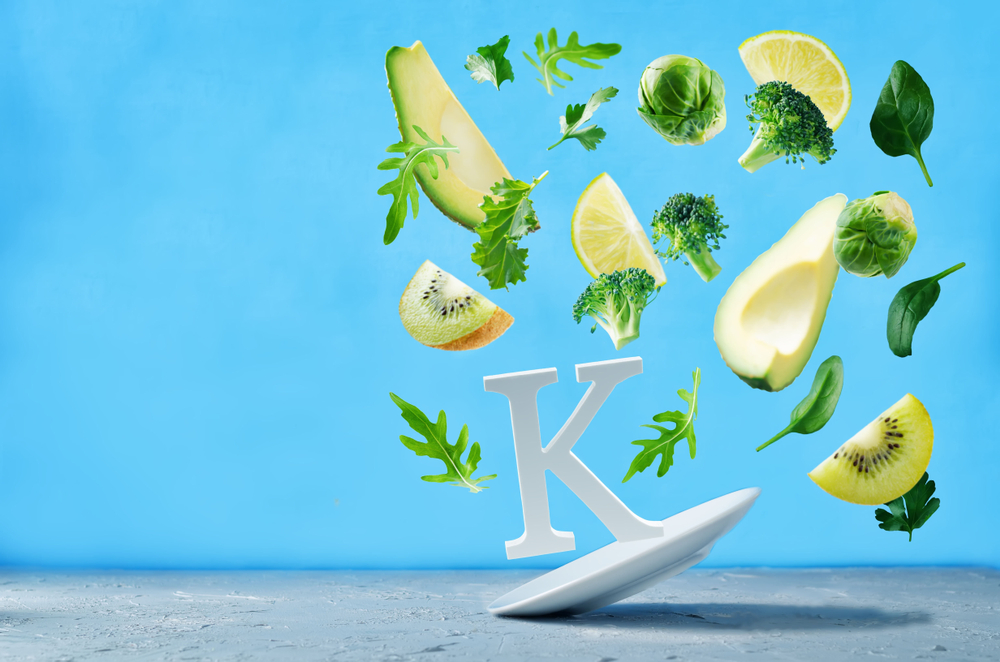
For vitamin K2, 200mcg, bearing in mind that this is about 22. 5mcg for 1000ui of vitamin D. For people who usually take 2000ui of D3 per day, 45mcg of vitamin K2 will be needed. However, care should be taken with this vitamin.
It is advisable to seek advice from your doctor on large single doses of D3. It is absolutely necessary to avoid taking more than 2000mcg of K2 and to divide the dosages per day. There is also vitamin K3 extracted from corn stigmas. Vitamins K4, K5 and K6 are synthetic forms.
For vitamin B12, the form of which is Methylcobalamin, a natural and non-synthetic form, it is advisable to take 2000mcg every 3 days. This vitamin is completely non-toxic, even in high doses. However, it can multiply the risks for those who are prone to acne.
Coupled with a dose on training days with a B vitamin complex, vitamin B12 helps to reduce the formation of homocysteine, a sulphur-containing amino acid that is associated with an increased risk of cardiovascular disease and is toxic to neurons.
Training days
For training days, a dosage is also recommended.
Firstly, a vitamin B complex in the morning, accompanied by 150mg of magnesium citrate in the morning and evening.
500mg of vitamin C, dosage 2x250mg, is also recommended for better assimilation. With a dose of 250mg in the morning and 250mg in the evening, vitamin C helps the conversion of tryptophan into serotonin.
Vitamin A is stored in the liver in large quantities (90%) and is needed for 1-2 years. Naturally, it is found in the form of retinol, exclusively of animal origin, in cod liver oil, tuna, halibut, pork, veal, oysters and egg yolks, and in the provitamin A form "beta carotene" in foods of vegetable origin such as spinach, carrots, lettuce, cabbage and some fruits such as apricots.
There is no need to take it in artificial form. Studies have shown that too much vitamin A can cause joint problems and weak bones.
Rest days
On rest days it is safer not to take any vitamins. The diet will provide what is needed on days when there is no activity.
It is advisable to eat fresh organic vegetables and fresh fruit juice.
Summary
Every 3 days:
- One dose of vitamin D3 400 ui of vitamin E
- 200mcg vitamin K2 , if more, divide doses into daily doses
- 2000mcg vitamin B12
Training days:
- Vitamin B complex
- 2x 150mg magnesium citrate 2x250mg vitamin C
On rest days: no vitamin.
Apart from this, it is also advisable to avoid ready-made multivitamins. It is better to learn to select the vitamins one by one, in order to manage the dosages and the quality in the best way.
There are also minerals, trace elements, E. G. A. s and amino acids.
What is important to remember is that you should aim for a good diet before supplementation. Indeed, supplementation is aimed at high level sportsmen and women with an intense and regular activity.