Vitamin A, also known as retinol, was the first vitamin to be discovered in 1913. It is one of the fat-soluble vitamins.
In developed countries we consider our intake of this nutrient to be sufficient; this is not the case everywhere in the world.
A brief overview of the characteristics and benefits of this micro-nutrient.
Where does vitamin A come from?
Present in the animal world in the form of retinol or retinoic acid, its precursor, called Beta -carotene, is found in plant foods, which our body transforms into vitamin A according to our needs.
Vitamin A is synthesised and stored in the liver and eliminated in the stool.
What are its benefits for the body?
This fat-soluble vitamin has many benefits for our body through a
series of effects:
- It allows cell growth, particularly of epithelial tissues, and is therefore of major interest for the good quality of the skin and mucous membranes.
- It stimulates the growth of bones and teeth .
- Activates the immune system by stimulating the formation of white blood cells
- It is involved in visual acuity and more particularly in night vision,by its presence in the rods, cells that line the retina of the eye.
Nutrient with antioxidant action, fights against free radicals, has an anti-ageing effect on our cells.
Where to find it?
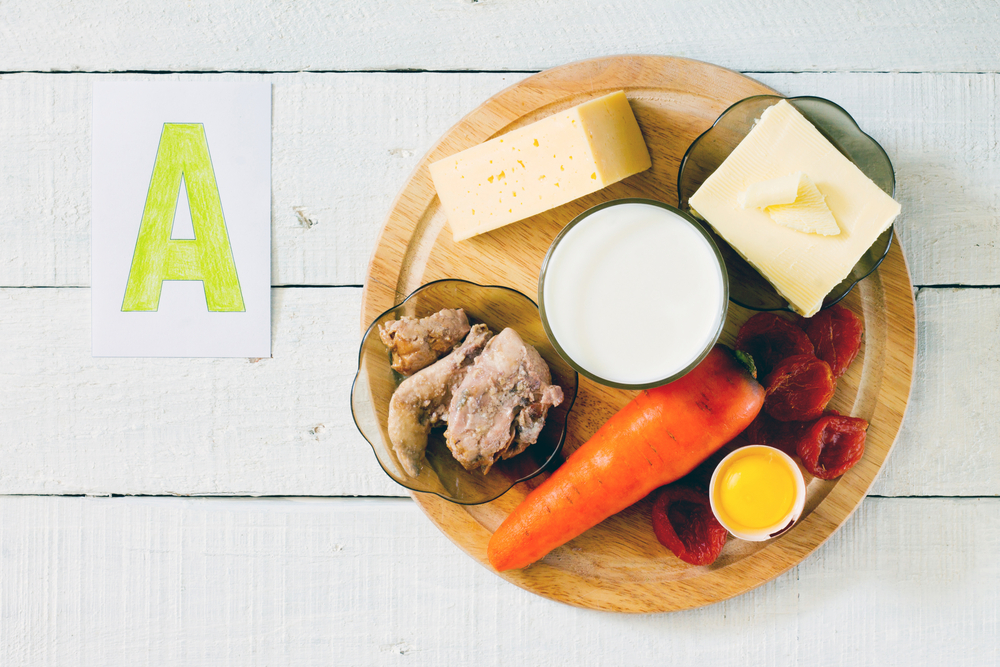
In foods of animal origin:livers in general, but primarily in cod liver, but also in egg yolks, cheese, butter, cream and meat.
In green or orange vegetables in the form of beta-carotene: carrot, sweet potato, dandelion, spinach, pumpkin, and certain fruits such as apricot, peach, melon.
What is the RDA for vitamin A Retinol?
The daily requirement for an adult is estimated to be between 600 and 750 µg (micrograms) .
Pregnant and breastfeeding women should consume approximately 850 to 900 µg per day .
children according to their age from 400 to 550 µg.
What are the consequences of an imbalance in the body?
- vitamin A deficiency hardly exists in developed countries. They are more likely to be found in poor countries due to a lack of food. Vitamin A deficiency leads to growth problems, vision problems, including macular degeneration, which is a damage to the retina of the eye.
- Excess vitamin A may occur with overconsumption of animal products containing retinol. This leads to undesirable effects such as lack of appetite, headaches, visual disturbances, skin and mucous membrane damage. An excess of this vitamin has serious adverse effects on pregnant women (foetal malformation) and infants.
How do we provide our bodies with vitamin A on a daily basis?
Every day you must ensure a sufficient intake of retinoic acid by consuming foods of animal origin which have a very high retinol content, for example fatty fish (sardines), eggs, cheese, butter, and also by guaranteeing an intake of Beta-carotene present in vegetables and fruit and which will be transformed into vitamin A in your body.
Sweet potatoes, carrot juice, parsley, chives, tomatoes and spinach are a good cocktail of vegetables that will guarantee you a high intake in your plate.
It is estimated that retinol intake should represent 40% of our daily intake, compared to 60% for beta-carotene.
vitamin A is fat-soluble
It is a vitamin that dissolves in fats, so it is important to promote its intestinal assimilation by the presence of fatty acids .
For example, accompany your daily carrot juice with a handful of dried fruit rich in good fats (almonds or walnuts), you will thus facilitate your intake of vitamin A.
Vitamin A as a solution to certain diseases
If you are prone to skin problems, such as psoriasis, vitamin A retinol can be useful.
Vision problems such as reduced visual acuity or AMD (age-related macular degeneration) can be partly solved by taking retinoic acid.
Vitamin A is also used as a cancer prevention agent due to its positive effect on the immune system.
It is important in the context of good nutrition to combine the intake of vitamin A with zinc and vitamin E, which are antioxidants. Their combined effects are particularly beneficial to health.
Vitamin A for sportsmen and women
The need for this vitamin in the context of sustained physical activity is increased by 2OO µg per day 100 grams of oily fish covers the daily needs of a sportsman or woman .
TIPS
Enhance your dishes with aromatic herbs, such as parsley and chives,
which are rich in vitamin A.
Sweet potatoes have a higher beta-carotene
content when cooked.
100 grams of carrots in juice form cover your
daily needs.