Group B vitamins are essential substances for the growth and functioning of the body, and are therefore essential for a healthy body.
These vitamins cannot be synthesised by the body, so they must be provided by the diet or by B vitamin supplementation.
VITAMIN B1 or Thiamine
Vitamin B1 is essential for the metabolism of carbohydrates and branched-chain amino acids (BCAAs). In fact, it promotes the propagation of nerve impulses (nutrition of the nervous system), thus enabling the brain to order the synthesis of proteins (muscle development).
It also participates in the formation of acetyl CoA from pyruvate in the Krebs cycle (energy) by using carbohydrates, thus enabling them to be removed from storage.
Another important role of thiamine is its action on cellular respiration via the formation of haemoglobin (red blood cells).
It acts as an enzymatic cofactor to accelerate the krebs cycle and therefore the production of energy in the form of ATP.
VITAMIN B2 or Riboflavin
Vitamin B2 is essential in the catabolism of amino acids (BCAA, lysine, tryptophan) and carbohydrates. In fact, it favours the assimilation of amino acids and therefore the synthesis of ATP, thus increasing energy production.
It will also contribute to the combustion of carbohydrates to help the formation of Acetyl CoA from pyruvate (carbohydrates) to promote energy production (ATP).
At the level of the immune system: it participates in the renewal of immune cells (lymphocyte). Riboflavin promotes the synthesis of keratin (structural protein) acting on the beauty of hair, nails, skin.
VITAMIN B3 or Niacin
Vitamin B3 is a precursor of two cofactors (NAD and NADP) present in oxidation-reduction reactions. It is an accelerator of electrons in the Krebs cycle (ATP), which provides more energy. It will also allow destocking by using fats for the synthesis of Acetyl CoA (Krebs Cycle).
This vitamin acts on neurotransmitters by participating in the synthesis of hormones (serotonin and dopamine) and by helping to fix intracellular magnesium. Thus, it allows a hormonal rebalancing and thus a reduction of stress.
By participating in the synthesis of keratin (structural protein), niacin acts on the beauty of hair, nails, skin
VITAMIN B5 or pentothenic acid
It accelerates the integration of Acetyl Co A in the Krebs Cycle by drawing on fat resources (allowing a destocking of the latter).
VITAMIN B6 or Pyridoxine
Vitamin B5 acts on the formation of proteins by promoting the synthesis of cysteine, thus ensuring the peptide link between amino acids. It therefore plays a role in muscle development.
Its dual action in the Krebs cycle (ATP) will promote energy. In fact, it is an enzymatic cofactor that accelerates the Krebs Cycle. It also acts on the proper functioning of enzymes by promoting oxygenation through increased hemoglobin synthesis.
Pyridoxine is involved in the synthesis of serotonin and dopamine, the happiness hormones, as well as in the fixation of magnesium.
Stress (overwork, nervousness) will therefore be reduced. This vitamin also contributes to the renewal of immune cells (lymphocytes).
Finally, its action on the synthesis of keratin (structural protein) will allow an action on the beauty of hair, nails, skin.
VITAMIN B8 or Biotin
Vitamin B8 is essential to the Krebs cycle (ATP).
It is a coenzyme involved in the synthesis of nutrients and allows the acceleration of the cycle in the form of ATP for a faster production of energy.
Vitamin B8 stimulates the scalp and prevents the formation of dandruff.
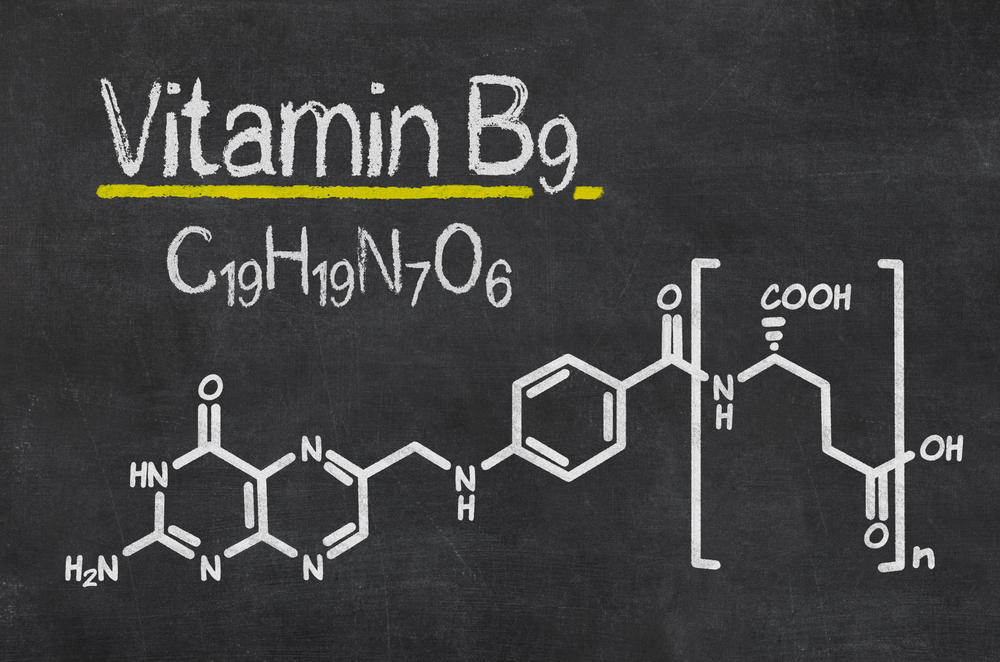
VITAMIN B9 or Folate
Vitamin B9 is necessary for the synthesis of proteins by intervening in the formation of amino acids, thus reinforcing muscle development.
Vitamin B9 is essential for the formation of red blood cells, allowing greater oxygenation of enzymes.
These will allow a faster transition from one stage to another in the Krebs Cycle, thus increasing energy production.
By using fats for the synthesis of Acetyl CoA in the Krebs Cycle, folates will allow the removal of fats. This vitamin plays an important role in the nervous system by intervening in the synthesis of numerous neuromediators (dopamine, serotonin, adrenalin, noradrenalin, etc. ) acting on stress.
It also contributes to the renewal of immune cells (lymphocyte) thus reinforcing the immune system.
VITAMIN B12 or Cyanocobalamin
Vitamin B12 is involved in the metabolism of iron, allowing the synthesis of haemoglobin. It is also essential for efficient haematopoiesis (formation of red blood cells). These two actions will increase the synthesis of ATP through the Krebs cycle, thus acting on energy production.
Cyanocobalamin participates in the synthesis of serotonin and dopamine (hormones secreted to cope with stress), thus acting on neurotransmitter deficiencies (nervousness / irritability). It strengthens the immune system by participating in the renewal of immune cells (lymphocytes).
B vitamins are therefore at the crossroads of all metabolisms: lipids, proteins, carbohydrates, amino acids. They will thus allow a better assimilation and use of each nutrient.