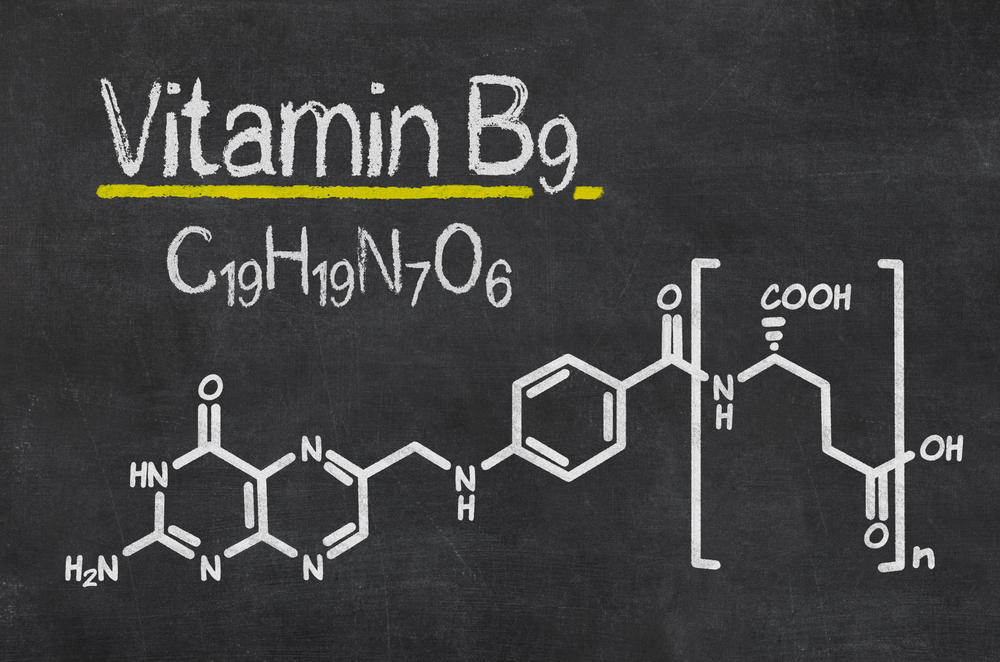
Vitamin B9, also known as Folic Acid, is one of the best known of the B vitamins.
It has a primordial action on the production of new cells and the construction of the organism, which makes it an indispensable nutrient at every age of life .
It is very similar to vitamin B12, of which it is very complementary.
The functions of vitamin B9
- Folic acid acts as a coenzyme in the metabolism of amino acids and proteins, which means that it is directly involved in the production of new cells. It therefore plays a fundamental role during periods of growth in life (childhood, adolescence and pregnancy for the development of the foetus)
- An essential vitamin in the synthesis of DNA and RNA, the basis of our genetic material.
- We should also note the active role of B9 or folic acid in the formation of red blood cells.
- This vitamin ensures the proper functioning of the nervous system and the immune system.
- Its action is coupled with that of vitamin B12, which it is very close to.
What are our vitamin B9 requirements?
The RDA (expressed in micrograms) in vitamin B9 are different according to the age and the particularities of the people:
- Children & adolescents: between 65 µg and 250 µg depending on age .
- adults: 300 µg
- pregnant women 400 µg
Increased requirements for pregnant women in the first trimester of pregnancy help ensure the healthy development of the fetus.
Where to find good sources of folic acid?
Our diet provides us with the sources of folic acid necessary for our good health .
It is the giblets, green vegetables and pulses that contain the most folic acid:
- fatty liver, poultry livers contain between 400 and 500 µg of folic acid (per 100 g)
- egg yolks contain 180 µg (per 100 g)
- dark green vegetables: watercress, spinach, dandelion, lamb's lettuce, sorrel, salad contain between 150 and 200 µg (per 100 g)
- dried vegetables: white beans, split peas, chickpeas: 80 to 110 µg (per 100 g)
Fruits also have an interesting content of this vitamin, in particular red fruits such as strawberries, but also nuts such as hazelnuts, walnuts and chestnuts.
It is important to consume sufficient animal and vegetable proteins to
guarantee a good intake of folic acid, approximately 300 µg/day for an
adult.
As folic acid is sensitive to water,oxygen,heat and UV , it is advisable to appropriate the methods of conservation, preparation and cooking of foods containing it at the risk of causing significant nutrient losses.
For this reason, avoid prolonged soaking of vegetables, cook foods at moderate temperatures (preferably steam) and increase your consumption of raw green vegetables.
Can you be deficient in vitamin B9?
It is in pregnant women that deficiencies are most frequent and most serious because they directly alter the neurological development of the baby.
A deficiency in the mother-to-be has serious neurological consequences for the child: anomalies in the closure of the neural tube (the neural tube being the precursor stage of the baby's nervous system), leading to malformations such as spina bifida, during the first trimester of pregnancy.
it is therefore recommended that the mother-to-be takes folic acid-rich food supplements 0001
1 even before procreation, to avoid subsequent risks.
Folic acid deficiencies also exist more widely in certain people, depending on their state of health and lifestyle: the use of alcohol, contraceptives and medication prevent the synthesis of vitamin B9, as well as certain pathologies such as Crohn's disease, which alters the intestine.
The deficiency results in diarrhoea, headaches, and in extreme cases nervous disorders such as depression, as well as megaloblastic anaemia (red blood cell deficiency) which is itself linked to a vitamin B12 deficiency.
Megaloblastic anaemia and nervous system disorders may result from folic acid or vitamin B9 deficiency.
Folic acid supplements ?
In addition to taking folic acid to prevent neural tube defects in the embryo, some people may be given folic acid supplements as a preventive measure, which studies have shown to reduce the risk of breast and colon cancer.
It is also worth noting the use of B vitamins, including B9, to prevent depression, as this group of nutrients plays a role in the proper functioning of the nervous system.
Be careful to be supervised by a professional when taking folic acid-based food supplements to avoid any risk, as folic acid also interacts with certain drugs to reduce their effects.
In all cases not to exceed 1000 µg of folic acid per day, which is the maximum tolerable threshold for an adult.
In athletes
It is estimated that people with regular physical activity need 450 µg of vitamin B9 or folic acid per day.
The role of this nutrient on red blood cells and protein metabolism makes it of great interest in increasing oxygen in the blood and developing endurance and recovery capacities.
A diversified diet rich in proteins and vegetables in appropriate quantities should provide the recommended µg of folic acid without having to resort to systematic supplementation.
Our advice
For the proper functioning of the nervous system, add dark green vegetables, red fruits and nuts to your plate every day.
Fight anaemia in the same way, and also by consuming liver and egg yolk which, thanks to their high content of folic acid or vitamin B9, ensure the proper formation of red blood cells. Do not overcook your food, a lightly fried liver and a soft-boiled egg guarantee the preservation of this nutrient.