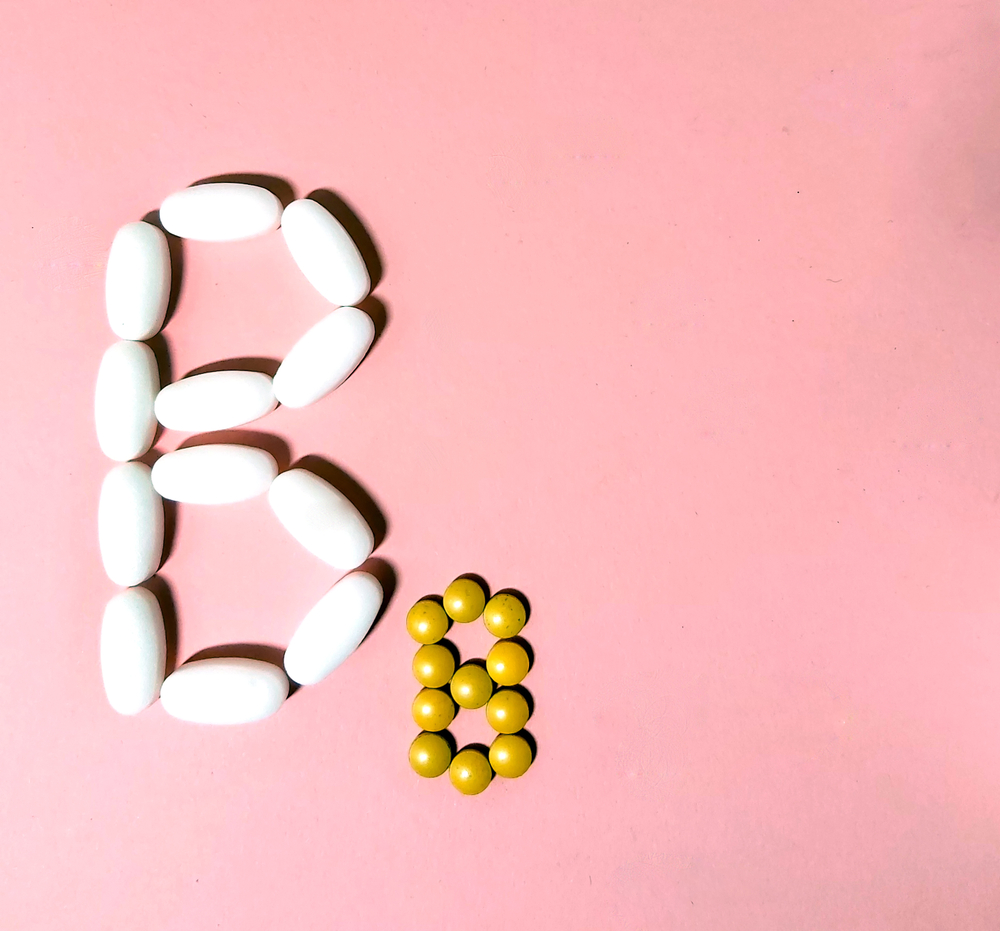
Group B vitamins play an important role in the proper functioning of the body. In this article we will focus on vitamin B8 or biotin, its benefits, recommended nutritional intakes and the consequences of deficiency or excessive consumption. We will also tell you which foods contain biotin so that you can consume the right amount.
What is vitamin B8?
Vitamin B8 or biotin, also known as vitamin H or vitamin B7 in many countries, is mainly synthesised by the body and is also found naturally in small amounts in many foods.
It is a member of the B group of vitamins, just like vitamins B1, B2, B3, B5, B6, B9 and B12.
It is a water-soluble vitamin, i. e. it is soluble in water and is therefore not stored in the body. It is eliminated through the urine and daily consumption of biotin is generally recommended to avoid deficiencies.
The benefits of biotin
Biotin or vitamin B8 has a number of health benefits including:
- It helps regulate energy metabolism (fat, carbohydrate and protein metabolism) facilitating the conversion of macronutrients into energy.
- It is necessary for cell growth which has an impact on the renewal of your nails, hair, skin and mucous membranes.
- Helps in the assimilation of fatty acids and in the control of blood sugar levels, which can contribute to weight loss, as part of a balanced diet and calorie deficit.
- It contributes to the proper functioning of the nervous system and participates in the synthesis of vitamins B9 and B12.
Recommended nutritional intake
As biotin is mainly synthesised by the body, we only need to supplement this intake with a very small quantity, which is already present in a balanced diet. The recommended daily allowance is 30 µg/day for a healthy adult and 5 to 25 µg/day for children, depending on their age.
People with recurrent and intense physical activity do not need a higher than average biotin intake.
Some countries have not defined a recommended daily intake because they believe that there is no scientific evidence to date that we may be biotin deficient.
What foods contain biotin or vitamin B8?
Poultry liver (35 μg per 100 grams), brewer's yeast (up to 14 μg per 7 gram packet) and eggs (13 to 25 μg per egg) are some of the richest foods in biotin.
This vitamin is also found in small amounts in pork (4 μg/100 grams), salmon (5 μg/100 grams), sardines, mushrooms, legumes (such as chickpeas and beans), milk, oilseeds (such as almonds, walnuts and hazelnuts), bananas, some cereals, and many vegetables such as cauliflower, lettuce, carrots, tomatoes, Swiss chard, and avocados (2 to 6 μg per avocado).
The consequences of biotin deficiency or excess
Not having enough biotin is very rare because gut bacteria usually produce more than our body's daily needs.
Unless you have a genetic abnormality, the most likely reasons for biotin deficiency are being anorexic or on a crash diet.
This can be solved by changing your diet or by taking food supplements. Side effects due to the consumption of food supplements such as biotin are very rare. If this happens, stop taking it until the side effects stop and contact a doctor.
There is currently no scientific evidence to show that there is a risk of excessive biotin consumption. Being a water-soluble vitamin, it is excreted through the urine fairly quickly, which prevents excess biotin in the body.
Conclusion
Biotin, also known as vitamin B8 in France or vitamin B7 in many other countries, is, like many vitamins and minerals, essential to our health.
It contributes to energy metabolism (lipid, carbohydrate and protein metabolism), the proper functioning of the nervous system and cell growth.
Many food sources (such as poultry liver, eggs, pork, mushrooms, cauliflower and tomatoes) can supplement the amount produced by our body.