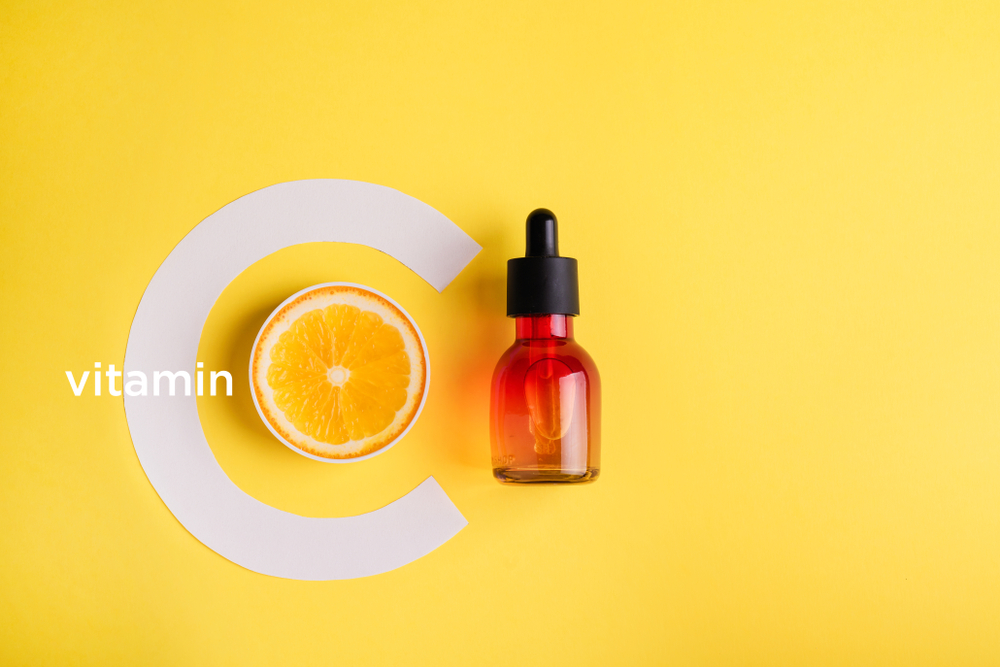
Vitamin C also known as Ascorbic Acid is one of the best known micro-nutrients. It was Linus Pauling, Nobel Prize winner in chemistry, who first evaluated the effects and benefits of this water-soluble vitamin on our health.
It is a vitamin that is not naturally synthesised in the body, so it is important to ensure that we have sufficient daily intake.
This vitamin stimulates the body's energy in many ways, hence its great interest in sports nutrition, as it is a real concentrate of vitality.
What is the mode of action of vitamin C in the body and how can we optimise our daily intake?
A variety of actions of vitamin C on the body
1- an antioxidant action
Ascorbic acid acts by fighting against the free radicals that attack the membranes of our cells; in this way it has a protective action on the body.
This micro-nutrient is therefore a major asset in a preventive approach to health, by fighting against oxidative stress which is the cause of cardiovascular and neurodegenerative diseases, cancer and inflammation of all kinds.
Epidemiological studies give this vitamin a leading role in the fight against cancer: through high-dose intakes, it has a direct action on malignant cancerous tumours and facilitates their destruction.
2- an immune system stimulant:
This water-soluble vitamin stimulates our immune system by increasing the activity of white blood cells and antibodies. It is therefore effective in fighting infections and viruses.
It has a primordial role in the prevention of all ENT pathologies, such as colds, flu, rhinopharyngitis. . . but also in all inflammatory phenomena. It activates the healing of wounds for example.
3- a role in tissue construction
Vitamin C allows the synthesis of collagen, a substance that makes up the bones, ligaments and connective tissue, and thus has a direct effect on the good health of our skeleton, our teeth, bone density, the flexibility of our joints and the beauty of our skin.
4- A vitamin that acts against fatigue
This vitamin has a booster effect on the organism and contributes directly to reduce asthenia by its action on the mitochondria (energy centre of the cells), Linus Pauling had underlined this action in his research.
It is to be noted that one of the notorious signs of deficiency in this nutrient is chronic fatigue accompanied by loss of appetite and weight loss.
5- a cellular detoxifying role
Vitamin C plays a role in the cellular cleaning, it thus makes it possible to purify the organism in the event of smoking, of intoxication with heavy metals or of alcoholism.
How is vitamin C absorbed into the body?
Vitamin C is absorbed mainly through the small intestine but also through the mouth and stomach.
In case of overdose, vitamin C is eliminated in the urine, which prevents any real danger for the body, nevertheless it is not recommended to exceed the daily doses recommended by the ANSES reports; a recurrent excess of vitamin C fatigues certain organs such as the kidney; people with renal insufficiency must therefore be careful about any excessive supplementation.
Vitamin C also increases the absorption of ironby our cells, so people with excess iron (haemochromatosis) should be careful not to take too much.
Too much iron can cause stomach ache and diarrhoea.
Where can we find vitamin C in our diet?
Diet is the only way to ensure sufficient daily intake as recommended by the PNNS dietary guidelines.
The RDAs are evaluated in mg of vitamin, they will differ according to age, state of health and lifestyle of each individual (e. g. sportsman or smoker).
Thus: an adult man or woman with normal activity should consume a minimum of 110 mg of vitamin C or ascorbic acid per day.
A smoker should add about 35 mg to this measure.
Sportsmen and women can significantly increase their daily doses up to 500 mg per day, especially during periods of intensive training.
The needs of the elderly and pregnant women are important, this population subject to various deficiencies in vitamins and minerals must increase their intake of vitamin C or ascorbic acid by at least 20%, very important in this case for the synthesis of collagen (elasticity of aging tissues and the skeleton of the baby).
All these data are confirmed by the ANSES report on the levels of vitamins and minerals in non-fortified food.
A fragile and sensitive vitamin
Vitamin C is very fragile: it is water soluble, sensitive to heat, air and light. At room temperature, half the vitamin C content of a food can be lost in one day.
It is therefore necessary to adapt cooking and storage methods to limit nutrient losses, for example avoid cooking fruit and vegetables at high temperatures (prefer steaming), use freezer storage which preserves the vitamin C content and do not soak fruit and vegetables in water for too long.
Fruit and vegetables rich in vitamin C
Plants are the most concentrated in vitamin C.
ANSES reports indicate that they contribute to vitamin C intake by 25%.
Some examples of content per 100 grams:
Acerola cherry 1000 mg, blackcurrant 200 mg, pepper 190 mg, kiwi 80 mg, broccoli 60 mg and orange 52 mg.
Citrus fruits have a high concentration of vitamin C. Drinking fresh fruit juices (not commercial) at room temperature every day allows you to meet a large part of your needs.
It is recommended to consume at least 5 portions of fruit and vegetables every day according to the PNNS dietary guidelines (e. g. fruit juice, steamed vegetables).
Vitamin C as a food supplement
Are you wondering whether it is necessary to take vitamin C supplements?
The current content in vitamins and minerals of the natural food consumed is insufficient to guarantee contributions with the height of the food references of the PNNS, it is thus necessary to privilege a catch of food complements enriched in vitamin C to avoid the deficiencies, especially when one a practice sporting supported.
The vitamin C contained in Acerola is a good food supplement to be taken by regular cure.
Note that vitamin C improves its action when it acts in synergy with other vitamins and minerals from the supplementation: it will have a favourable effect when associated with vitamin A and E which are themselves antioxidants, or when used with minerals such as zinc or selenium.
Our advice
vitamin C is essential for our good health, as you have already understood!
A food ration rich in ascorbic acid will pass by the daily consumption of portions of coloured food (fruits and vegetables).
However, the consumption of food supplements rich in vitamin C in synergy with other antioxidants will guarantee sufficient levels of micro-nutrients, in order to prevent any risk of cardiovascular disease, inflammation or degenerative pathology and to maintain a sufficient level of vitality and energy, this last point being essential in the practice of sport.