Magnesium is a mineral salt that is essential for the proper functioning of the body. It helps a lot in the enzymatic reactions in the body. It also helps the neuromuscular transmission of nerve impulses.
It is also favorable to remove stress naturally. What is magnesium? What role does magnesium play in the body? What are its food sources? What are its benefits? The answers to all these questions can be found in this article.
What is magnesium?
Magnesium is a chemical element that is part of the mineral salts. It is symbolized as Mg in the nutritional reference. It is very important for the proper functioning of the body. In an adult, the quantity of magnesium is 25g, half of which is found in the bones and half in the muscles.
What role does magnesium play in the body?
Magnesium provides the body with more energy, good sleep at night, and fights stress. It also supports calcium to stay on the bones to prevent osteoporosis.
Magnesium is one of the essential minerals for everyday life. It participates in more than 300 enzymatic reactions from which the production of energy necessary for the body.
It is involved in many basic cellular functions. Magnesium helps in the functioning of lipids, in the composition of proteins, in the balancing of the sugar rate in the body, to deliver more energy to the muscle. It also helps the proper functioning of some hormones such as insulin.
Magnesium also plays the role of moderator for the heart because it is essential to the neuromuscular transmission of nerve impulses and to the regulation of the heart rhythm.
What are the nutritional requirements for the body?
For adults and children alike, a daily magnesium intake of 6mg per kilo is necessary. The following example will indicate the necessary intake:
- 120 mg per day for a child of 20 kilos.
- 360 mg per day for a woman of 60 kilos.
- 420 mg per day for a man of 70 kilos.
To this base, we must add :
- 25 mg per day for adolescents, given their rapid growth: for example, for a 60-kilogram adolescent, the recommended intake is 360 + 25, or 385 mg per day.
- 40 mg per day for pregnant women. For example, 400 mg per day for a woman weighing 60 kilos at the beginning of her pregnancy.
- 30 mg for breastfeeding women. For example, 390 mg per day for a woman weighing 60 kilos.
What foods are sources of magnesium?
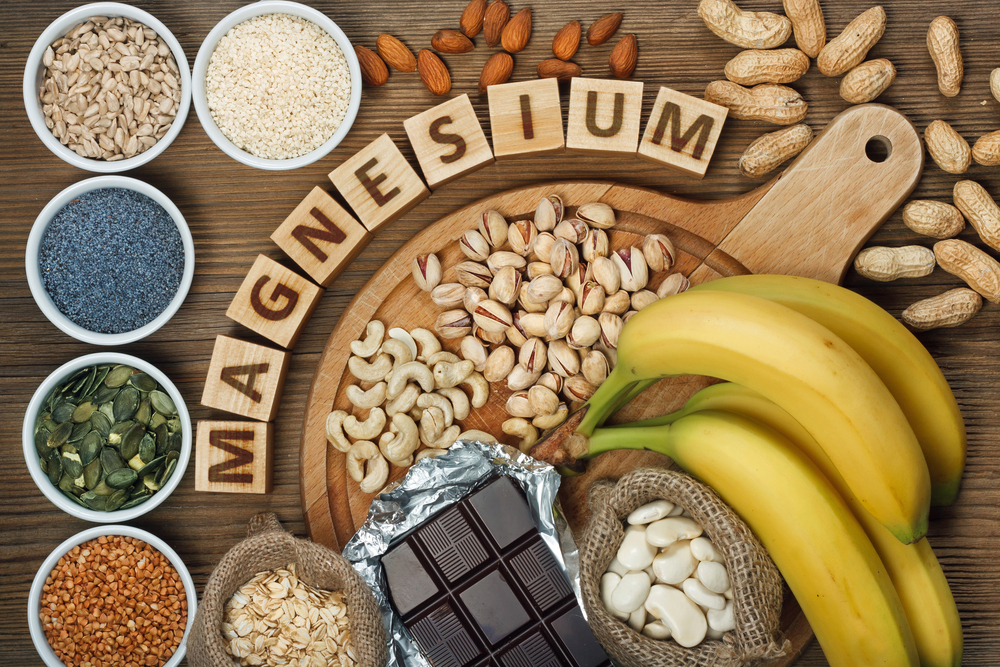
The greatest amount of magnesium is generally found in dark chocolate, cocoa, nuts, seafood, whole grains and dried fruits and vegetables. Other foods also contain magnesium but not much, such as fresh fruits and vegetables, meats, fish and milk products.
Mineral waters provide magnesium in large quantities and are also known as magnesian. For example, Rozana with 160 mg per liter, Hepard with 119 mg per liter, Badoit with 80 mg per liter, Contrex with 75 mg per liter.
To complete the intake of magnesium, the consumption of wheat germ, brewer's yeast, breakfast cereals rich in magnesium are recommended.
Below are foods rich in magnesium
- Magnesium content in mg per 100 g of food (2)
- Anchovies in oil 144
- Cooked winkle 310
- Cooked whelk 135
- Enriched breakfast cereals 42 to 132
- Cooked chestnut 54
- Dark chocolate with 70% cocoa 206
- Dry date, dry fig 47 to 53
- Raw spinach 69
- Buckwheat pancake 87
- Wheat germ 256
- Sesame seed 324
- Sunflower seed 364
- Cooked white bean 61
- Oyster 82
- Cooked lentils 36
- Cooked mussel 79
- Pecan nuts 125
- Grain bread 181
- Rye bread 110
- Pine nuts, almonds, cashews 227 to 247
- Raw whole grain rice 104
Here is an example of a suggested nutritional intake for a 60 kg woman.
120 g of cereal bread (6 thin slices) + 20 g of 70% cocoa dark chocolate (2 large flat squares) + 20 g of almonds (10 almonds) + 150 g of cooked lentils (a medium plate) = 100% of nutritional intake of magnesium
What are the risks of underdosing on magnesium?
If the body is severely lacking in magnesium, a case that rarely occurs, it can lead to hypocalcemia or lack of calcium in the blood. It manifests itself by fatigue, cramps, tingling, anxiety, and tremors. This can lead to type 2 diabetes or cardiovascular disease. The lack of magnesium is due to the consumption of foods low in magnesium, where the nutritional and energy intake is almost non-existent.
What are the risks of magnesium overdose?
Excessive consumption of magnesium, from medication or magnesium supplements such as antacid medications based on aluminum salts or calcium and magnesium, causes diarrhea in some people.
It is only dangerous in case of chronic renal insufficiency because it can lead to magnesium evacuation. Consequences are to be expected such as digestive disorders, low blood pressure, muscle fatigue, difficulty in breathing.
For this reason, it is not recommended to exceed the prescribed dose per day, i.e. 350 mg maximum.
What are the interactions caused by magnesium?
Magnesium remains blocked in the digestive tract and does not reach the necessary parts of the body after excessive consumption of products rich in phytates, which are generally found in wheat bran and whole grain foods. The same goes for the consumption of foods rich in oxalates which are found in some fruits and vegetables such as spinach, rhubarb, sorrel...
The absorption of magnesium can be favored by the consumption of foods rich in fermentable fibers in the colon. These are generally found in bananas, asparagus, artichokes and rye bread.
When taking magnesium mineral waters to increase the level of magnesium in the body, it is favorable to drink them during the meal to better absorb the magnesium.
It is advisable to avoid drinking too much alcohol. This will cause magnesium to be lost in the urine.
The body can eliminate magnesium by renal route and causes deficiency because of hypokalemia diuretics like furosemide or bumetanide. Thiazides like clopamide and hydrochlorothiazide have the same effect.
In conclusion, magnesium is very important for the proper functioning of the body.
It supports several enzyme reactions, but also prevents certain diseases such as type 2 diabetes, fatigue, stress, lack of sleep...
However, it is important to have the necessary intake of magnesium, to avoid deficiency and not to have at the same time an excess. For this, it is enough to opt for foods rich in magnesium. This would be ideal to be in shape.