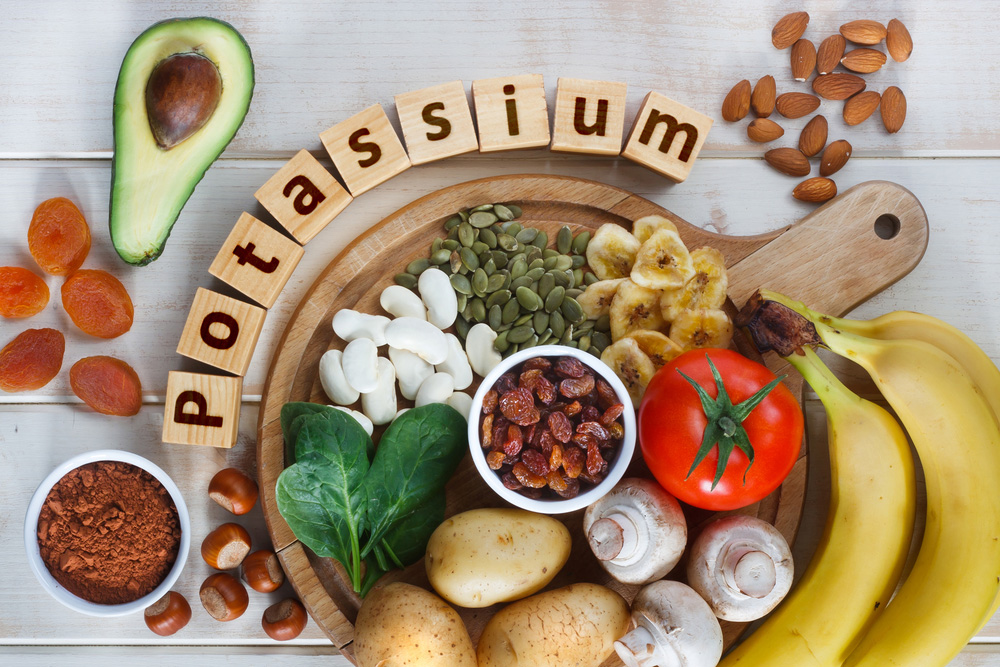
Iron is a trace element that is very useful for the proper biological functioning of the body, just like minerals. It plays an important role in fortifying oxygen to tissues and muscles. Iron represents the highest rate of deficiency in the world especially in pregnant women and children. Why is it important to consume iron every day? What is its necessity? What are the recommended nutritional intakes and in which foods can you find them? What are the effects of iron deficiency and overdose? The answers to these questions are:
What is iron?
Iron is a chemical mineral. The body cannot separate it. Iron is very useful for aerating tissues and muscles. It is also involved in the composition of DNA, which is why it is very important for pregnant women and children to have enough iron in their bodies. The 70% of iron in the body is combined with haemoglobin. There are products that can provide more iron, especially in food. Vitamin C helps the iron to be absorbed.
Why is it important to take iron every day?
The body does not produce iron itself. That is why it is necessary to use iron-containing foods every day to obtain it. Naturally, the iron stores in the body control its absorption. This will automatically prevent excess and deficiency. In a pregnant woman, it is very important to have the necessary iron intake during pregnancy to avoid anaemia, which occurs in 29% of pregnant women. Anemia in this case is often due to iron deficiency.
What role does iron play in the body?
Iron plays an important role in the human body. The haemoglobin in the red blood cells absorbs the 70% of iron consumed. This allows oxygen to function properly. This oxygen will be transmitted to the cells.
Iron is also found in the myoglobin of the muscles, which enables air to be stored.
For the remaining 30% of iron, it will play a role in activating the metabolisms in the body. It contributes greatly to the production of energy and the activation of the immune system.
What foods are rich in iron?
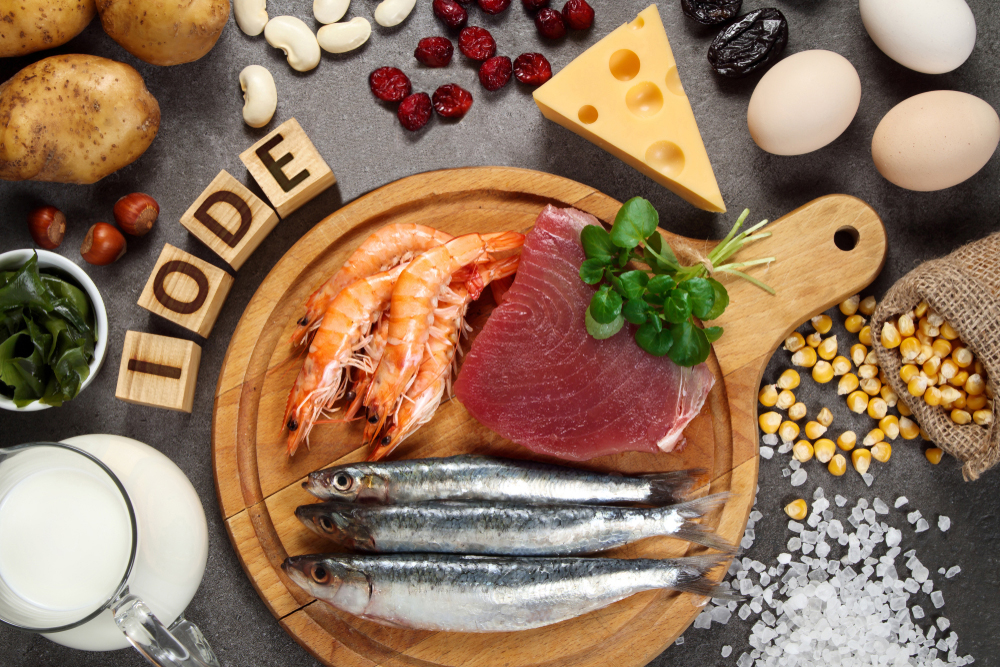
In general, iron is found in large quantities in meat and meat products, and fish. For iron found in vegetables and dairy products, this is difficult to accumulate because of the presence of calciums in milk and compositions in fish to better work the iron. The meal can be accompanied by calcium-rich foods such as citrus fruits, kiwi, red fruits, peppers, cabbage, orange juice.
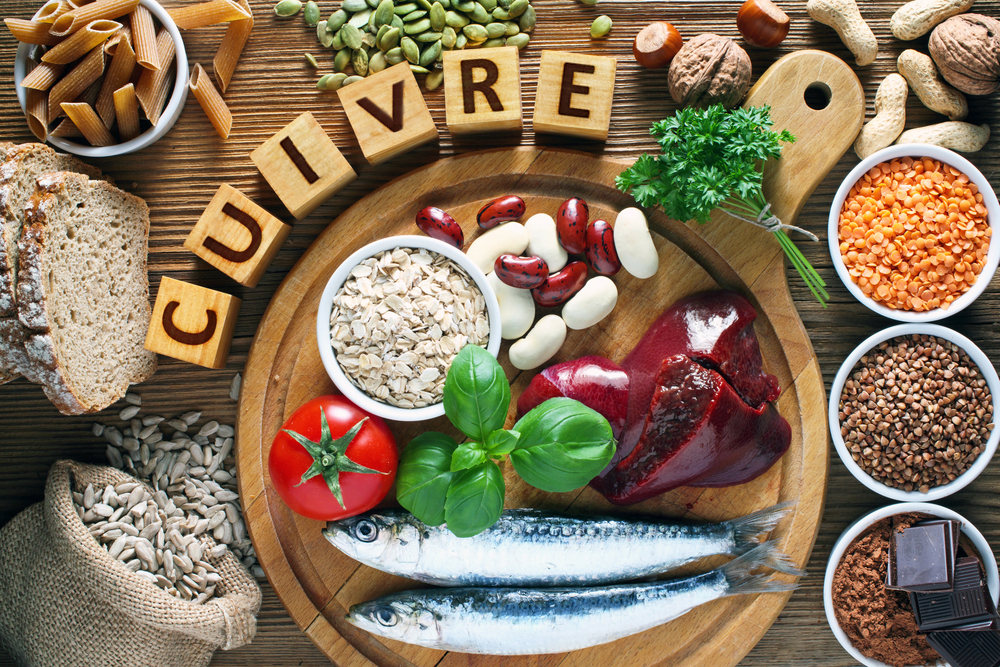
The following are recommended iron-rich foods:
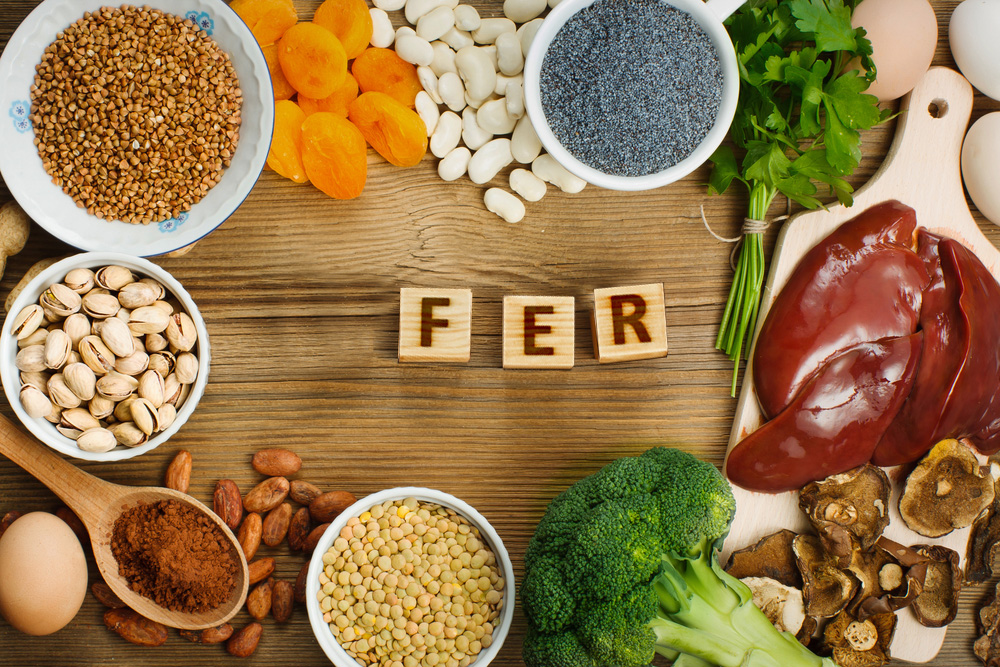
- Cooked black pudding provides 22mg/100g
- Roast pigeon meat provides 20mg/100g
- Lamb liver and clams provide 14mg of iron per 100g
- Cocoa powder, stewed hare and poultry liver provide between 10 and 12mg per 100g
- Cooked kidney, soya flour, pheasant, dried lentils each provide between 8-9mg per 100g
- Mussels, wheat germ, dry white beans and roasted pistachios each contain 7-8mg of iron per 100g
- Foie gras, calf's liver, pâté de campagne, fresh parsley, roast venison, wheat, dried apricots, cashew nuts, muesli. All of these contain between 5 and 6mg per 100g
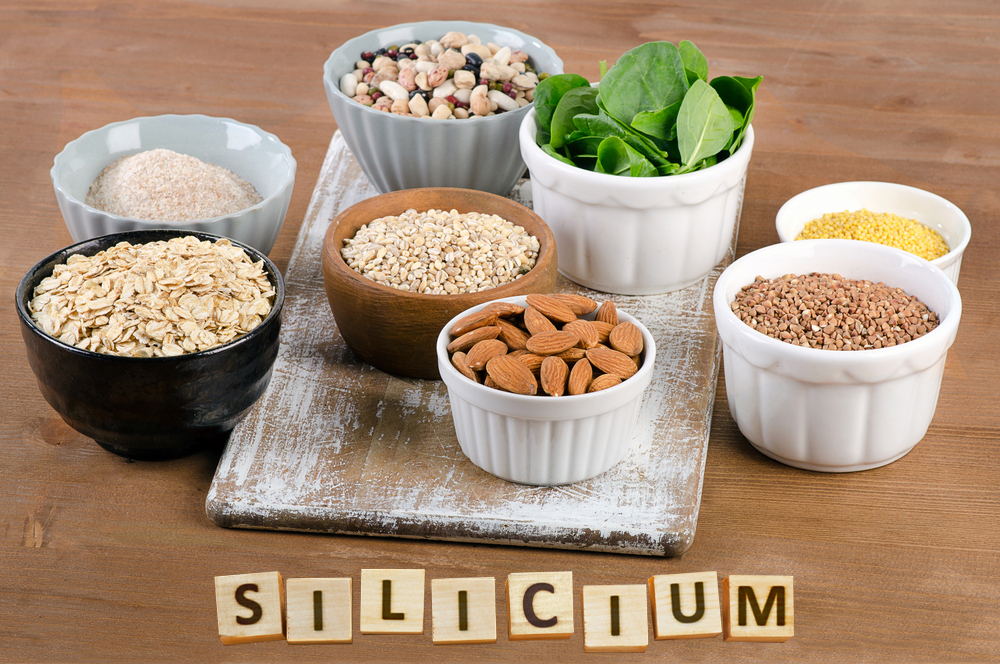
- Almonds, oatmeal, whelks, horsemeat, hazelnuts, roast roast beef, shrimps, baked goods, dandelion, steak and dried dates also provide between 3 to 4mg of iron per 100g.
It should be remembered that some vegetables also contain iron. The richest are peas, parsley, lentils, dandelion, purslane, white and red beans and spinach.
What are the characteristics of iron?
Despite the fact that the rate of iron deficiency is obvious, if the need to supplement iron is necessary, this should be done under the advice of a doctor. The main cause is the difficulty of eliminating this mineral, so as not to fall into excess. It is preferable to use iron-rich foods to meet daily iron requirements.
For those on a vegetarian diet, lemons and plants rich in vitamin C would be ideal to support this iron intake.
Iron deficiency and iron deficiency, what are the consequences?
What happens in case of iron deficiency?
Iron deficiency is more dangerous. It causes anaemia at an advanced rate. Specifically, it lowers the concentration of haemoglobin in the blood. Symptoms of this deficiency include fatigue, paleness and shortness of breath during exercise.
The consequences of the deficiency are not yet well established. However, there may be a decrease in physical capacity during exercise, which quickly leads to fatigue. The intellectual level is also reduced. The iron deficient person is more susceptible to infections. Pregnant women may experience difficulties during pregnancy.
What are the harmful risks of excess iron?
Too much iron is as dangerous as too little. It has an oxidising effect on the body and can lead to heart disease and cardiovascular disorders. Epidemiological data also show that excess iron is linked to increased metabolic syndrome, type 2 diabetes and certain cancers.
The different causes that can lead to iron excess are:
Haemochromatosis, which is a genetic and hereditary disease. This causes iron overload, due to the lack of a hormone called hepcidin which helps regulate iron absorption.
Repeated blood transfusions can also cause iron overload.
Without the advice of a doctor, iron overdose is possible. It is advisable to follow up any iron supplementation closely.
Deterioration of the red blood cells, which store iron in general.
To conclude
In summary, iron is important for the body. The absorption of iron into the body is controlled by food and carefully stored in haemoglobin. Like any other trace element, it is found in food. However, it would be better to take iron from food every day than to resort to medical supplementation. The most important thing to remember is that you should never be short of iron or have too much of it. Either would be dangerous.