
Zinc is a trace element necessary for protein, carbohydrate and fat metabolism. Like minerals, trace elements are essential for the proper functioning of the body. Zinc plays many roles such as intervention in several enzymatic reactions. What are the other roles of zinc? What are the recommended nutrients for this trace element? In case of deficiency or overdose, what are the impacts? The answers will be given in this article.
What is zinc?
Zinc is one of the antioxidant trace elements that are found particularly in muscles and bones. It is symbolised as ZN in the periodic table of elements.
What does zinc do in the body?
Zinc plays many roles in the body. It is essential for the activity of more than 200 enzymes.
Zinc is involved in the metabolism of proteins and fats.
It produces prostaglandins, components that can act as an anti-inflammatory from polyunsaturated fatty acids including omega 3 and 6.
It plays an antioxidant role in the structuring of superoxide dismutase.
It helps stabilise several hormones such as insulin, gustin and thymulin.
Zinc is also essential for the immune system. It is essential for the sense of taste and smell.
It helps to keep skin and hair in good condition.
It also promotes healthy growth.
What are the recommended nutritional references?
Here is a reference table of zinc intake for each age group:
|
Zinc nutritional reference in mg per day (1) |
|
|
Children 1 to 3 years |
8 |
|
Children 4 to 9 years old |
11 |
|
Teenage girls aged 10 to 12 |
13 |
|
Adolescents 10 to 12 years old |
14 |
|
Teenage girls aged 13 to 19 |
11 |
|
Adolescents aged 13 to 19 |
14 |
|
Women |
7. 5 mg for a food rich in animal products; 11 mg for a food rich in plant products |
|
Men |
9. 4 mg for a food rich in animal products; 14 mg for a food rich in plant products |
|
Pregnant women in the 3rd trimester |
16 |
|
Breastfeeding women |
23 |
What foods provide zinc?
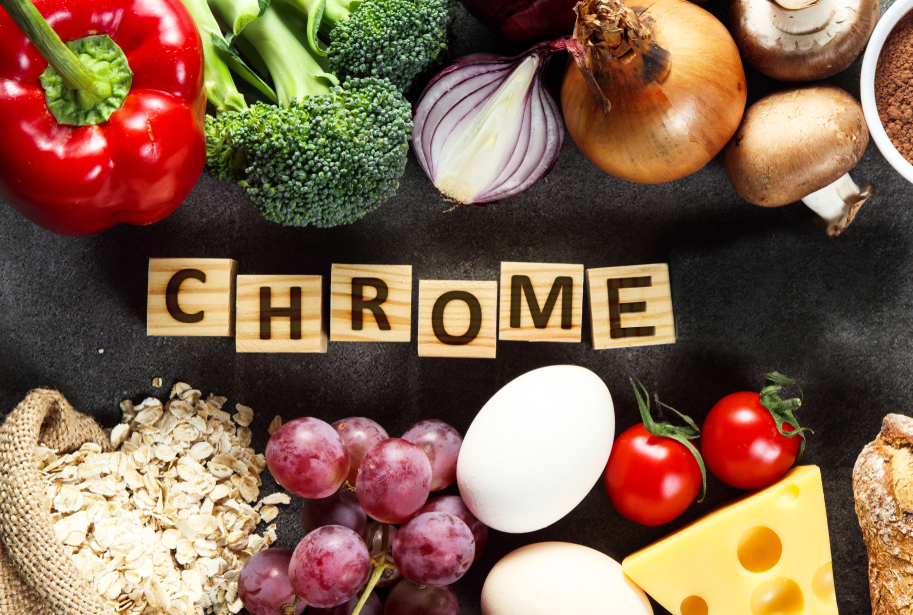
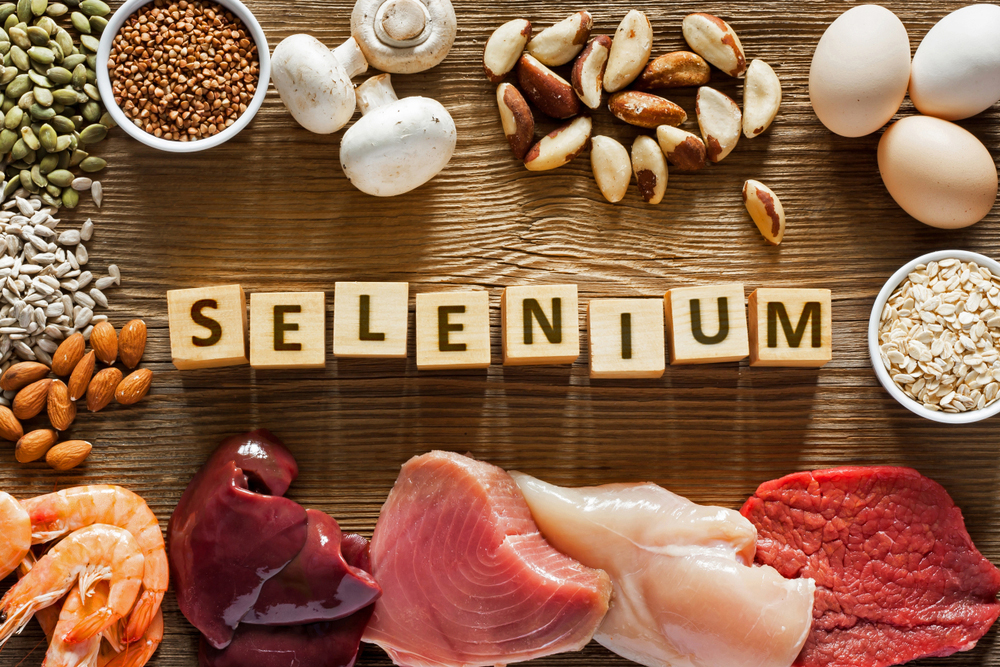
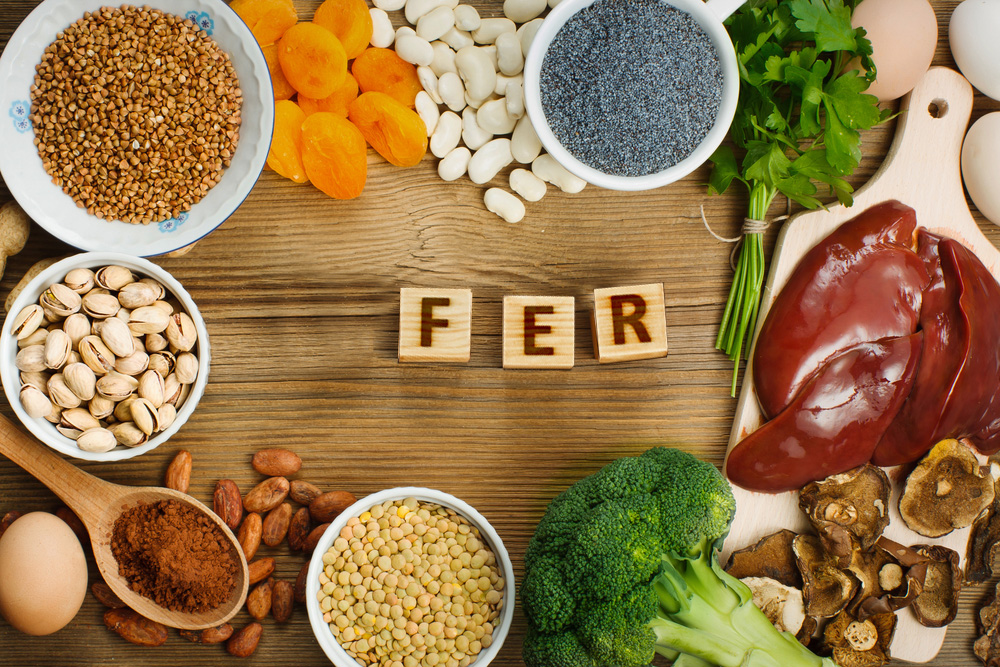
Seafood, organ meats, cheeses and meats are food sources that provide the most zinc. Nuts, eggs, unrefined cereal foods and vegetables are also rich in zinc.
For example: 30g of comté cheese + 100g of minced steak + 5 thin slices of bread equals 100g + 1 teaspoon of pine nuts equals 10g = 100% of the recommended zinc intake for a woman.
The body absorbs zinc from animal sources better.
Here is a reference list for foods of animal origin:
Zinc content in mg per 100 g of food
- Rye bread 1
- Maroilles 9
- Morbier cheese 7
- Cooked lamb liver 6
- Lentils, white beans or chickpeas cooked 1
- Cooked ham 3,2
- Cooked pork shoulder 4,2
- Calf's liver cooked 13,2
- Cooked egg 1,3
- Comté, Parmesan 5,1 to 5,3
- Oyster 21,3
- Cooked minced beef 6,4
- Braised beef 10,5
- Cashew nuts, pine nuts 5,4 to 5,6
- Pecan nuts 4,7
- Crab in a tin 5,7
- Müesli flakes 1,9
- Cooked chicken liver 3,9
- Grain or wholemeal bread 3. 6 to 3. 9
- Simmered veal or cooked veal kidney 4,9
- Unsweetened cocoa powder 6,9
What is the impact of under or overdosing?
Zinc deficiency: causes and risks
Zinc deficiency can be caused by several sources. Especially in the case of insufficient intake due to a vegan diet for example, or following obesity surgery which causes food disgust. It can also be caused by poor assimilation as in the case of intestinal disease.
In case of zinc deficiency, it causes immunity disorders. Hair loss occurs. In the case of skin lesions, healing is difficult. It also causes problems with vision, taste and smell.
For men, zinc deficiency leads to abnormal and low sperm production or oligospermia, which can affect fertility.
For alcoholics, zinc deficiency affects the activity of enzymes in the liver that break down alcohol. This causes an increase in the toxicity of alcohol.
In pregnant women, this deficiency leads to foetal malformation or hypotrophy, i. e. the foetus is too small.
For young children, zinc deficiency has a great impact on growth. It delays the growth of the child.
In case of zinc overdose: causes and risks
In case of zinc overdose, the immune defences will be affected and it will decrease the blood level of good cholesterol (HDL-Cholesterol). It also increases oxidative stress, which is supposed to be reduced with a nutritional dose. In particular, by decreasing the action of superoxide dismutase.
According to an AREDS 1 study, an overdose due to a supplementation of 80mg of zinc per day during more than 6 years caused genito-urinary disorders which required hospitalizations.
Note that the safety limit has been limited to 15mg of zinc per day. All intakes are included, including food and dietary supplements. Care should be taken with dietary supplements as they are very close to the Recommended Dietary Allowance.
What are the interferences?
Zinc uptake is increased by proteins of animal origin.
On the other hand, the assimilation of zinc is decreased by the presence of phytates in whole grain foods or pulses. They block it in the digestive tract. However, they are inactivated in sourdough breads.
Dietary supplements of iron, copper and/or calcium also reduce the uptake of zinc. It is therefore preferable to take them between meals with an interval of at least 2 hours.
For a better assimilation of zinc supplements, it is ideal to take them on an empty stomach. It should be noted, however, that they can reduce the assimilation of copper. It is therefore recommended to choose a supplement that contains a mixture of zinc and copper at the same time. Of course, in nutritional doses and taken at intervals of 2 meals.
It is also advisable to take cyclins, fluoroquinones, which are families of antibiotics, and strontium at least 2 hours apart from zinc supplements, since zinc reduces the assimilation of the latter.
To conclude
In summary, zinc is essential for the body to function properly. When taking zinc, apart from food sources, the ideal doses for each age group and situation must be respected.
Care must also be taken when taking supplements to avoid interactions. Eating foods that are sources of zinc will also help to avoid deficiency. As far as overdosing is concerned, to avoid the risks caused by overdosing, you just have to respect the nutritional reference.