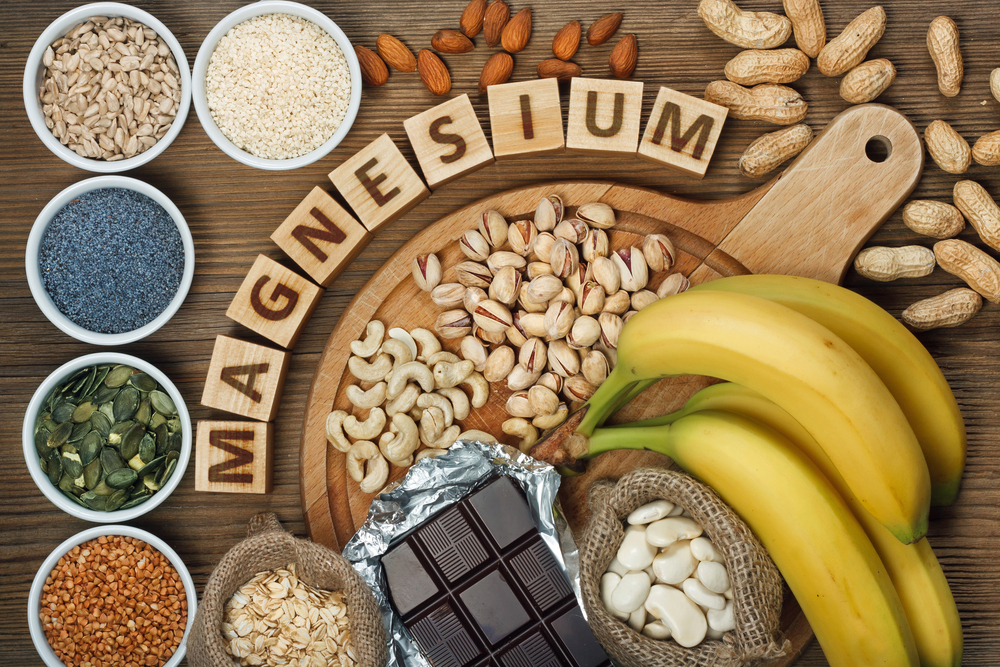

Manganese contrghting free radicals. And even in some enzymes that require it, it also has the ability to replace magnesium. It is important to know the function of this trace element, its required nutritional benefits, as well as the risks of deficiency or high dose with its medical applications. Like minerals, trace elements are essential to the proper functioning of the body.
Manganese by definition
Manganese under the chemical symbol Mn (listed in the periodic table of elements) is one of the necessary trace elements.
The human body contains between 12 and 20 mg of manganese, mainly in the liver, kidneys and pancreas.
The function of manganese in the body
- Manganese is the composition of several enzymes, mainly superoxide dismutase acting in the antioxidant defences.
- Manganese plays an important role in the metabolism of amino acids (protein components), lipids (fats) and carbohydrates (sugars).
- Manganese contributes to the creation of insulin, which means it is the agent that regulates an individual's blood sugar levels.
- Studies have recently proven that manganese is an actor in bone formation, it creates a protective effect on the bone. Also, it is responsible for the presentation of demineralisation in women who have reached menopause.
Nutritional references or advice on nutritional intakes
It has been estimated that an adult needs on average between 1 and 2. 5 mg of manganese per day, since a study was carried out in 2000 by the French Health Security Agency (AFSSA).
Based on recent research, the French National Agency for Food, Environmental and Occupational Safety (ANSES) issued in 2017 nutritional references of 2. 5 mg per day for adult women and 2. 8 mg per day for adult men.
This agency will soon publish nutritional references for children, adolescents and pregnant or breastfeeding women.
On the other hand, Efsa (European Food Safety Authority) released their own statistics in 2013 on recommended manganese intakes per day for each category and put forward the following nutritional values: teenagers aged 15 to 17 as well as adult men and women need an average of 3 mg of manganese per day, while teenagers aged 11 to 14 need 2 mg per day, and for children, depending on their age, their bodies need between 0. 02 and 1. 5 mg per day.
Manganese and its food sources
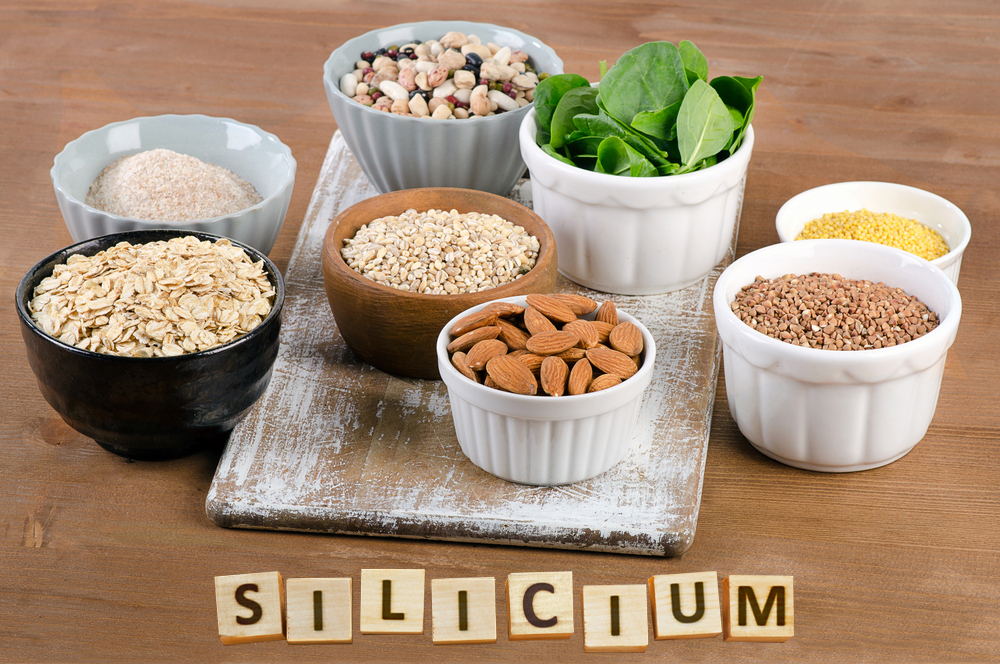
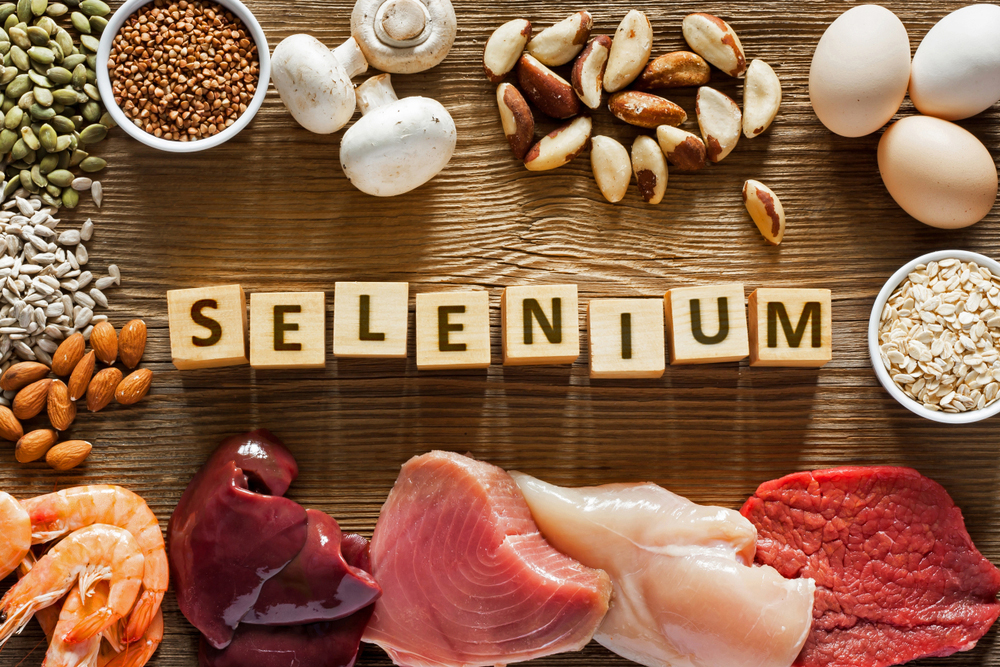
Manganese can be found in several quantities in foods of plant origin, especially in nuts, cereal products, pulses, some fresh fruit and vegetables. For foods of animal origin, manganese is present in large quantities in molluscs. As far as drinks are concerned, tea contributes most to the intake.
Here are the top 5 foods richest in manganese among foods of plant origin with their nutritional value in manganese for a quantity of 100 g: in first place pine nuts which contain 8. 2 mg, then poppy seeds with 6. 7 mg, followed by oat flakes with 4. 7 mg, hazelnuts with 3. 9 mg and fresh pineapple with 3. 6 mg of manganese.
And as seen previously, for beverages, whether green or black tea, it yields 0. 2 mg of manganese.
As an example of a daily diet: if a woman takes 80g of wholemeal bread (4 thin slices) accompanied by 100g of raspberries (1 cup) with 10 cl of tea (1 cup), this amounts to 100% of the average nutritional reference for one day.
Risks of manganese deficiency or overdose
Risks of underdosing
Underdosing of manganese is difficult to detect in humans. The human body has the ability to adjust to intakes that may be variable, by adjusting the amount digested in the intestine or by removing the excess in the stool via the bile.
According to an experimental study on adult men in good physical condition, the underdose produced by a diet without manganese for 39 days led to errors in blood cholesterol, calcium and phosphorus levels, as well as to dermatitis (skin disease).
But to remedy this situation, the reintroduction of a classic manganese-producing diet is the solution. Recent studies suggest that manganese deficiency is a risk factor for Alzheimer's disease.
Risks of overdosing
If a person's diet contains too much manganese, the excess can become toxic to the nervous system. In particular, young children are the first susceptible subjects: numerous studies prove that the consumption of water containing 0.
24 mg of manganese per litre for at least three years results in poor performance at school. For an adult, chronic overdose can be interpreted by Parkinson's disease (progressive loss of neurons).
On the other hand, for an adult as well as for a child, the risk of overdose is mainly due to the difficulty to digest contaminated water. Thus, in France, the regulations envisage a very low quantity of manganese in tap water, estimated at 50 micrograms (µg) per litre.
For mineral water, it is recommended that a physical treatment be carried out in order to remove any excess manganese.
Laboratory investigations have not been conclusive in detecting a quantity of manganese that may be dangerous for an animal.
Taking into account the analyses still based in humans, in 2013 Efsa or the European Food Safety Authority was not able to set an upper safety threshold in this regard.
Comments
It is known that a high amount of calcium, phosphorus or phytates can reduce the consumption of manganese, while avoiding a deficiency in a varied diet.
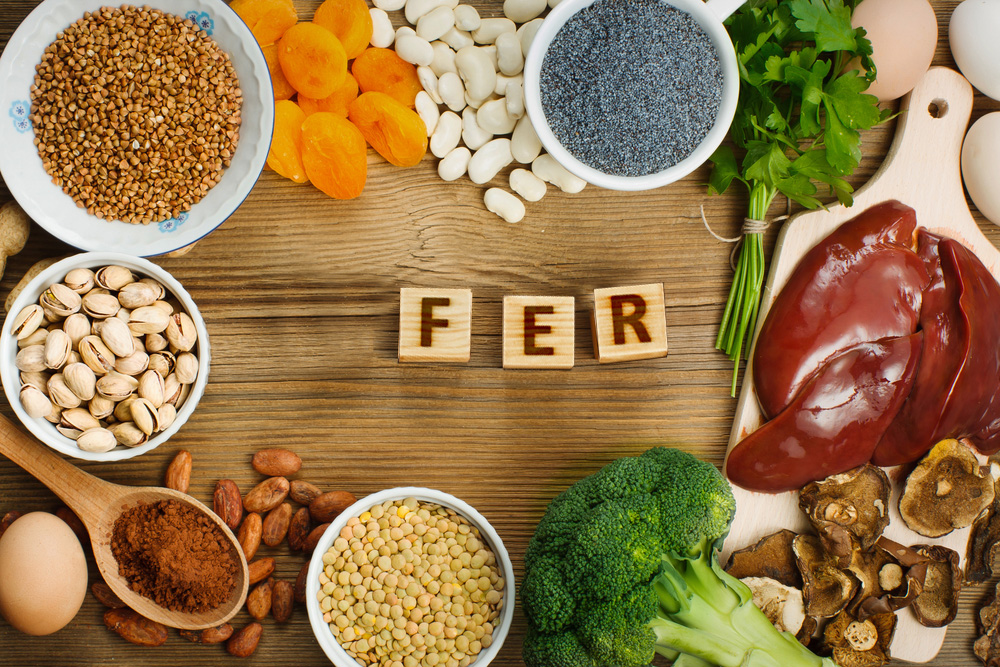
Between iron and manganese, an interaction is present, they remain on identical carriers to be assimilated or transported in the blood. Excess iron in medicines (60 mg per day) could affect manganese status after two months of treatment.
To conclude
It is common knowledge that manganese is not a very well-known element and is certainly not a fundamental necessity for the organism, but it does have several important roles for the organism: it contributes to the required energy metabolism, to the secretion of insulin to regulate the blood sugar level, and it also prevents the ageing of cells through its action against free radicals.
Finally, it is involved in the formation of hormones and the proper functioning of our brain system. To this end, manganese is an essential trace element that should not be neglected, especially as it can easily be found in the usual diets.