First of all: what is a high protein food?
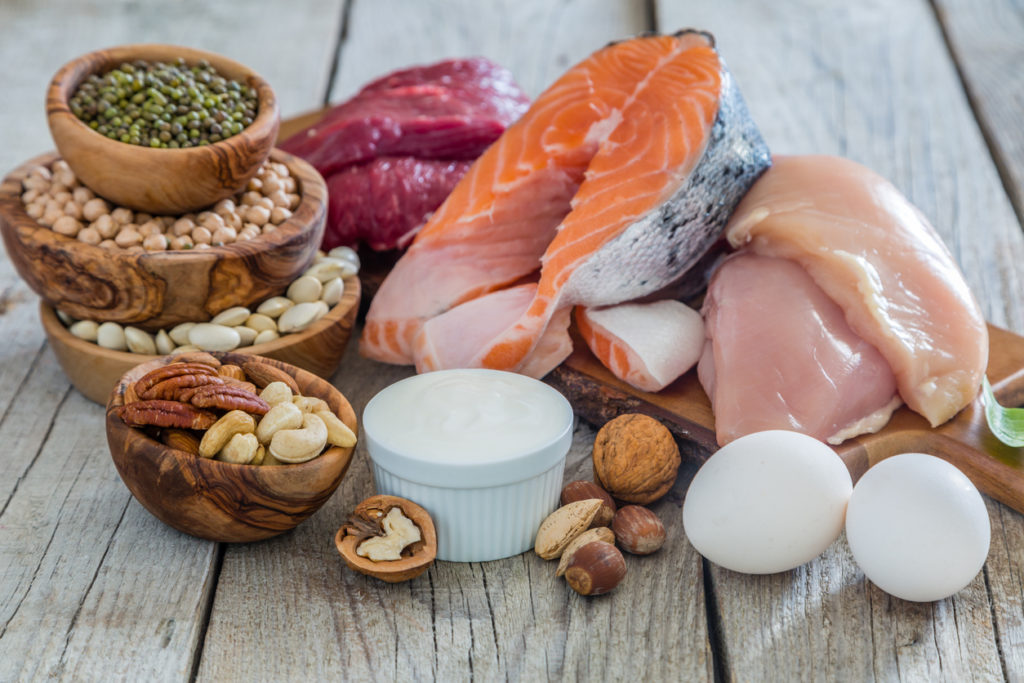
A high protein food means that it naturally contains a significant amount of protein. According to the regulations, a food can be considered as high in protein if at least 20% of the calories it contains come from protein. Find a list of protein-rich foods.
What do we need?
It has been established that a sedentary person who does not engage in
physical activity needs 0. 8 grams of protein per kilo of body weight
per day. These needs increase according to the physical activity
practised, which takes into account the sport practised but also the
expenditure linked to the profession or any type of activity. These
needs can be increased up to 3 grams per kilo of body weight per day for
an athlete 2. These proteins are essential for the proper functioning of
the body as they have roles in:
Structure, muscle tissue, bone and
muscle tissue - Energy, as one gram of protein provides 4 kcal.
And
function, as they are involved in the development of the body. - And of
function, because they intervene at the level of the metabolisms. They
are part of the composition of immune cells, hormones and enzymes.
Animal proteins
Generally speaking, animal proteins are of very good quality in terms of their amino acid composition. They contain the essential amino acids in the quantities required by the body.
Meat
Although they all contain an average of 18 to 22% protein, a distinction can be made between red and white meat.
Red meat refers to all types of meat derived from the muscle tissue of mammals such as beef, veal, pork, lamb, mutton, horse and goat. The red colour comes from the myoglobin content of the meat. This results in a high content of minerals such as iron, zinc and selenium. Red meat is also a source of certain vitamins such as B12, and components such as creatine, which is known to increase performance in explosive sports.
Although red meat is a good source of protein, it should not be overused. Meat products that have been processed by salting, curing, fermenting, smoking or cooked at high temperatures may contain toxic compounds such as N-nitroso compounds and polycyclic aromatic hydrocarbons (PAHs), which have been studied for their potential action on increasing the risk of cancer.
So be careful not to abuse dried meats, which have a protein content of up to 60%! In addition, some red meats are naturally rich in lipids which are implicated in the development of cardiovascular disease when consumed in large quantities 3.
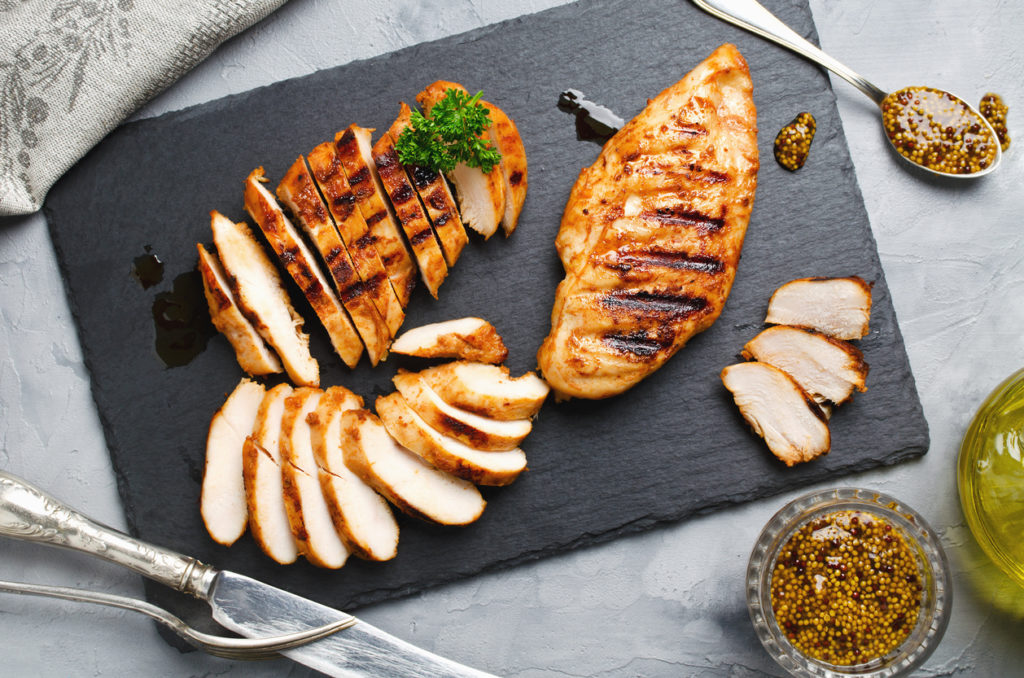
White meat includes poultry by default. Among these are chicken and turkey, whose fillets and lean cuts are used extensively by sportsmen and women and people following weight loss programmes or high protein diets. Poultry are rich in proteins and B vitamins involved in the metabolism of fats, carbohydrates and proteins. They therefore enable the body to function properly!
Fillets should be favoured because of their low saturated fat content, which provides a significant amount of protein while minimising the intake of unnecessary extra calories.
Fish and shellfish
The fish family includes a large number of fish with very different characteristics. Not surprisingly, fish also contain muscle. Fish therefore contain on average about 20 to 25 grams of protein per 100g, just like seafood. Just like lean white meat, white fish(hake, cod. . . ) are very good slimming allies because of their very low lipid content. However, you should not exclude "fatty fish" (salmon, tuna. . . ) from your diet, because although they are an important source of energy, they are also sources of essential fatty acids.
Among these fatty acids are the omega-3s, which are lacking in the French diet, since the ANSES has established that "the data converge and lead us to consider that the intake of alpha-linolenic acid is insufficient in France and far from covering the Recommended Dietary Allowances "4.
These fatty acids are nevertheless involved in the proper functioning of vision, the brain and the immune system and protect against cardiovascular disease. They should therefore not be excluded from the diet but incorporated on a regular basis, even during periods of weight loss.
Eggs and dairy products
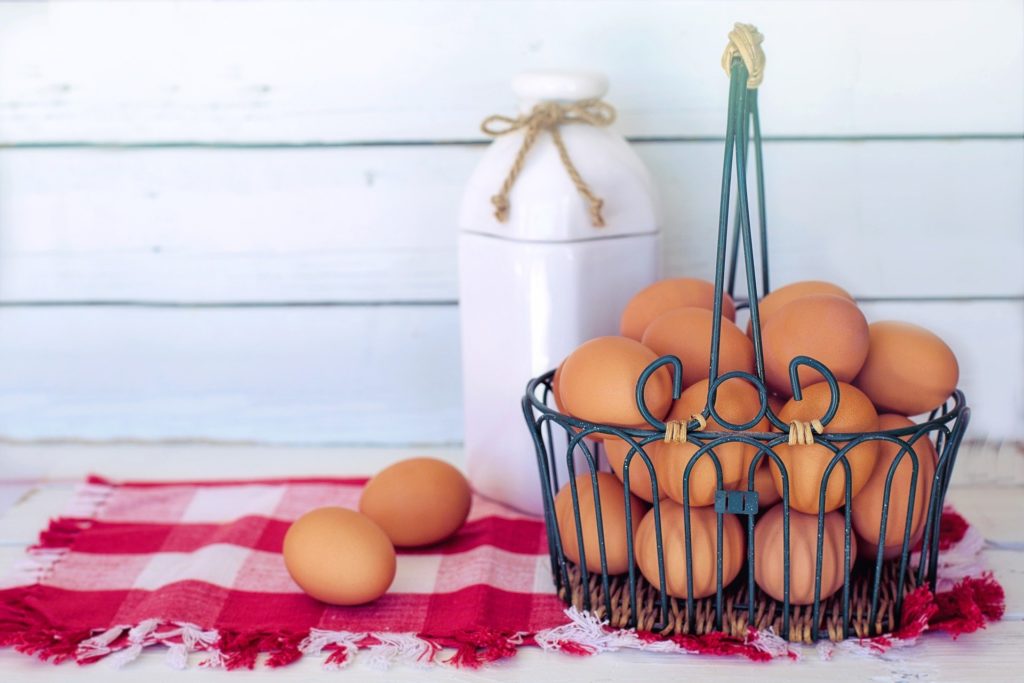
Egg protein, and more precisely eggwhiteis highly valued by weight trainers. Why? Because unlike the yolk, it is completely free of lipids and carbohydrates, which makes it pure protein, without any caloric surplus and containing all the essential amino acids in the quantities required by the body.
Among the protein-rich foods widely used by sportsmen and women are also milk proteins. Notably, whey proteins, also known as lactoserum proteins or "whey protein" in English. These food supplements based onwhey are consumed almost daily by body-builders. On the one hand for their protein content, which can reach 90%, and on the other hand for the speed of assimilation of these proteins, which make them an aid to recovery and muscle development.
Finally, casein is the second dairy protein found on the food supplement market. Casein-based food supplements contain around 80 grams of protein per 100g and are used, unlike whey, for their very slow assimilation.
This does not mean that the protein is of poor quality, but that it takes several hours to digest. Slow digestion provides an important satiating effect and allows a supply of amino acids in the blood over long periods of time, which limits the phenomenon of proteolysis (loss of muscle mass), particularly during the night.
Vegetable proteins
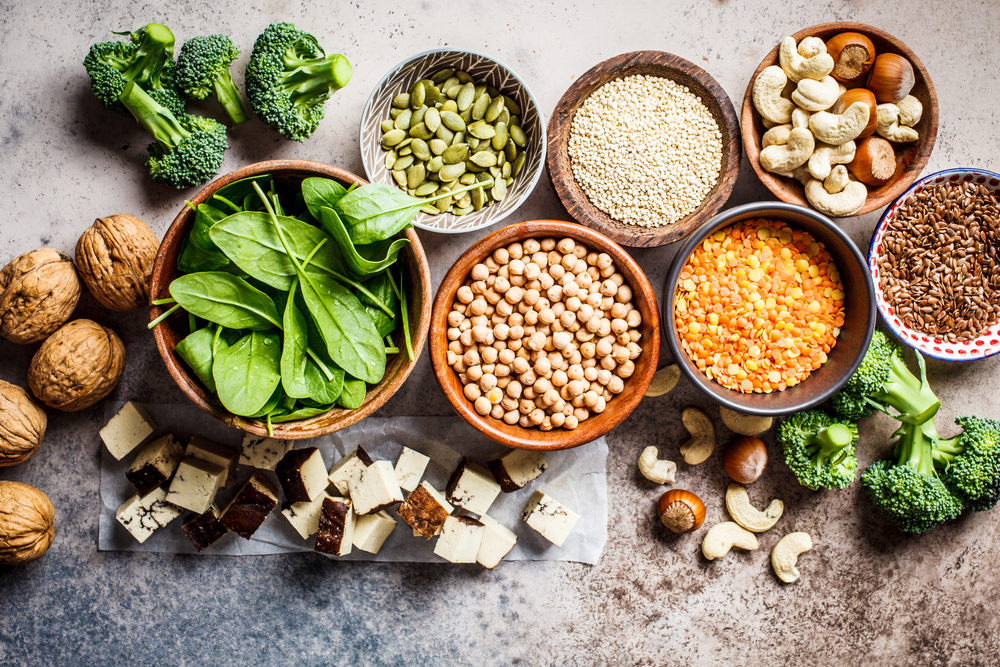
Generally speaking,proteins of plant origin have deficiencies in certain amino acids which diminishes the quality of these proteins. However, even in plants, there are foods rich in proteins and not only!
Les légumineuses
Peas, chickpeas, kidney beans, lentils. . . These legumes are remarkable sources of protein! On average, they contain around 20% protein in raw form, falling to 10% when cooked. A plate containing around 200g of cooked pulses therefore represents an interesting protein intake, but not the only one.
These beans and seeds are also rich in fibre, which is useful for a healthy digestive system and the prevention of pathologies such as diabetes, and have a strong satiating effect.
However, although legumes are protein-rich foods, they are not of the same quality as animal proteins. In fact, the latter are poor in certain sulphur-containing amino acids that the body cannot produce by itself.
Cereals
Cereals, especially wholegrain cereals, are an important source of nutrients. For example, 100g of oatmeal provides 15 grams of protein, 55g of carbohydrates and is rich in fibre (more than 10%)! Cereals are therefore an excellent source of energy and micronutrients.
But like legumes and almost all vegetable proteins, they are deficient in certain amino acids. Fortunately, the amino acids missing in cereals are present in legumes, and vice versa! So by combining these two food categories, you can get quality protein in the mix! 6
Oilseeds
Nuts and oilseeds such as almonds,walnuts or cashew nuts contain on average between 15 and 20 grams of protein per 100g. They are therefore high-protein foods since they provide almost as much protein as most meats. However, the majority of daily protein should not come from nuts and oilseeds as these are extremely high in fat (up to 70%)! Although they are essential fats for the body, the immune system and hormones, they are no less calorific! They must therefore be consumed regularly but in reasonable quantities to take advantage of their health benefits without the risk of gaining weight.
Our advice
As you can see, proteins are essential for the proper functioning of the body. But it is difficult to make choices when faced with the large number of protein foods that exist.
No source of protein should be banned! It is important to vary the sources to benefit from the advantages of each. Meat and white fish should be preferred for weight loss because of their low calorie content. It is important to ensure that you consume sufficient protein from oily fish, which are also a source of essential fats.
And don't rule out vegetable proteins which, if correctly combined, can compensate for the amino acid deficiencies they would have had if consumed alone. So always combine a legume (chickpeas, lentils, kidney beans, peas) with a cereal (rice, pasta, oatmeal)! With a ratio of about 1/3 legumes to 2/3 cereals. With this type of combination you have a meal rich in fibre, protein and energy!
Nuts and oilseeds (almonds, walnuts, cashew nuts, etc. ) can be an ideal
healthy snack for the essential fats and proteins they provide.
Moreover,
when exercising, it is important to be aware of the importance of these
foods. To sum up, when practising physical activity, it is important to
take into account the increased needs that this entails and to adapt
one's consumption by using food supplements if necessary!
Bibliography
1. https://eur-lex. europa. eu/LexUriServ/LexUriServ. do?uri=OJ:L:2007:012:0003:0018:FR:PDF
2. Antonio J, Ellerbroek A, Silver T, et al. A high protein diet (3. 4 g/kg/d) combined with a heavy resistance training program improves body composition in healthy trained men and women-a follow-up investigation. J Int Soc Sports Nutr. 2015;12:39. Published 2015 Oct 20. doi:10. 1186/s12970-015-0100-
1
3. https://www. who. int/features/qa/cancer-red-meat/fr/
4. https://www. anses. fr/fr/system/files/NUT-Ra-omega3. pdf
5. http://www. inra. fr/Grand-public/Alimentation-et-sante/Tous-les-dossiers/Legumineuses-retour-des-proteines-vegetales/Proprietes-nutritionnelles-des-proteines-vegetales/(key)/3
6. http://www. inra. fr/Chercheurs-etudiants/Systemes-agricoles/Tous-les-dossiers/Le-poids-des-legumineuses/Legumineuses-et-nutrition