
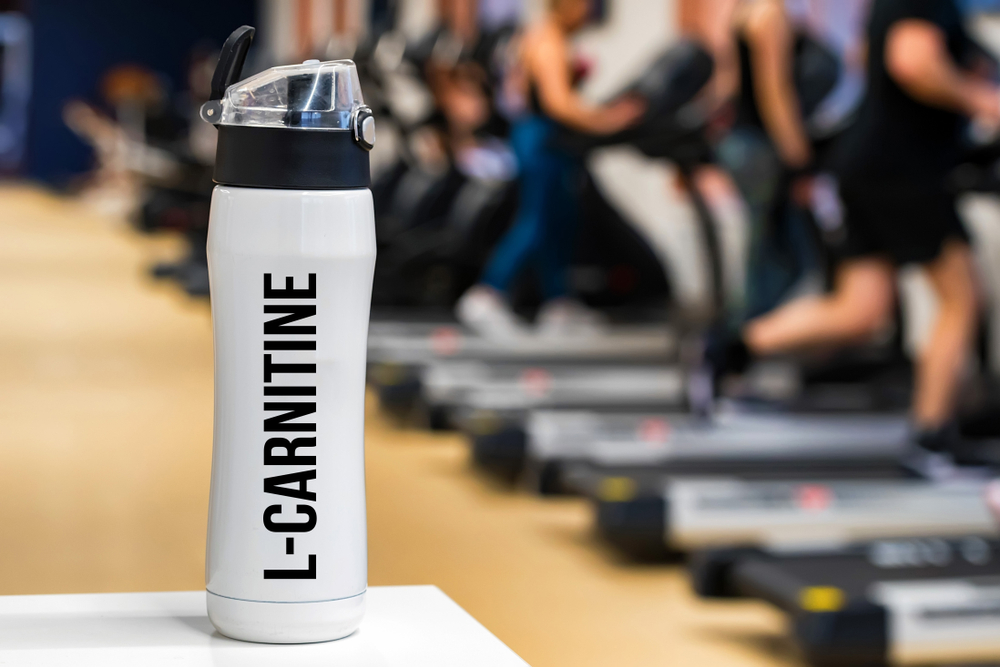
Described in the 90s as a miracle substance, L-Carnitine (a form of carnitine) is supposed to make us lose weight and boost our physical performance. But for some time now, like many food supplements, it has been the subject of much controversy and its effectiveness has been called into question.
What is L-Carnitine?
This substance made from lysine and methionine is responsible for the transport of fatty acids in the mitochondria. These provide the body with the energy it needs from the organic molecules produced by digestion. Thus, without the presence of L-Carnitine, dietary fat will not be burned properly. Although it is naturally synthesised by the liver and kidneys, it does exist as a food supplement.
We can therefore say that this supplement has slimming properties. However, several studies show that L-Carnitine does not promote weight loss, even if it improves fat oxidation, as long as regular physical activity is not considered. Indeed, its essential role is to transport fats to the cells that will burn them, which allows better use of energy during physical effort. From this point of view, L-Carnitine should therefore be considered as a physical performance enhancer rather than a fat burner.
There is also Acetyl-L-Carnitine which is a derivative of L-Carnitine. This molecule also plays a role in the transport of fatty acids in the mitochondria. In England, researchers carried out a study* among people living with HIV. They found that patients taking Acetyl-L-Carnitine had reduced nerve damage and better muscle cell health.
Why take L-Carnitine?
As L-Carnitine acts as an activator of fatty acids in the body so that they can be properly burnt by the mitochondria and converted into energy, it is suggested that it be consumed before exercise in order to be effective and have positive effects. Whether it is in powder, capsule or drinkable solution, it is sufficient to take 1 to 2 g about 45 minutes before physical effort. In any case, the positive effects of L-Carnitine on the muscle are considerable.
It is also interesting to take it in post-training to improve muscle recovery, but also to maintain anabolism. Muscle pain and soreness are much less noticeable when taking food supplements. However, in order to have visible results at the muscle level, L-Carnitine must be taken regularly for at least 6 months. During this period it is possible to see the muscle pain reduce.
It should be noted that L-Carnitine supplementation alone cannot claim to burn fat, but should always be combined with physical effort. On the other hand, its contribution to sports performance is undeniable.
How and when to take L-Carnitine?
L-Carnitine plays a role in muscle recovery and therefore indirectly has an essential role in sports performance. It is recommended to consume a dose of 1000 to 3000 mg with each intake of L-Carnitine. It can be taken during meals, before and after training. When combined with carbohydrates, its ergogenic (doping) powers are increased tenfold. You can therefore swallow your L-Carnitine supplement with a small amount of fast-acting carbohydrates to increase the results of its action on your body. Maltodextrin or 60 g dextrose is more than sufficient. Note that L-Carnitine can also be combined with Whey Protein or BCAA's for more effects.
Side effects of L-Carnitine
Like anything else, L-Carnitine supplementation has side effects when taken in high doses. It can cause nausea to vomiting, abdominal cramps or diarrhoea, headaches, liver and kidney dysfunction or strong body odour.
Green tea, the natural L-carnitine
Green tea is considered to be one of the best fat burners, and for good reason, it does not affect the muscles. It contains a lot of virtues such as the amino acids lysine. The latter play an important role in the functioning of the immune system; but also, in cohesion with other amino acids, in the synthesis of proteins and the manufacture of muscle cells.
*Ilias I, Manoli I, Blackman MR et al. L-Carnitine and acetyl-L-carnitine in the treatment of complications associated with HIV infection and antiretroviral therapy. Mitochondrion. 2004 Jul;4(2-3):163-8.