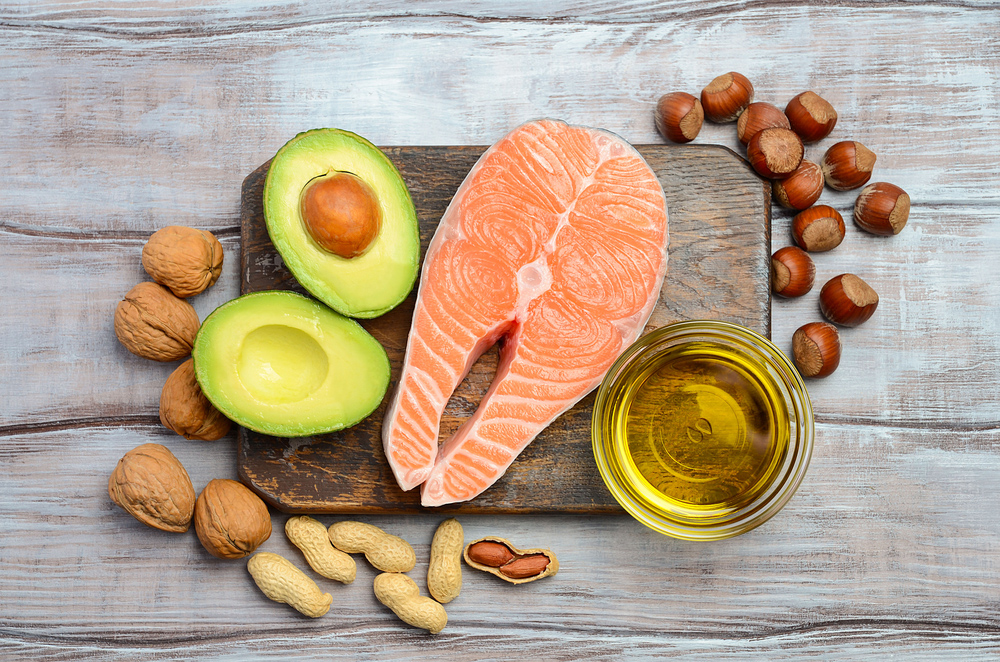
Lipids, which are also called fats, are an integral part of a so-called balanced diet. They are essential to health as they provide energy and help regulate body temperature.
Fats can account for 28-38% of total energy intake.
For idea
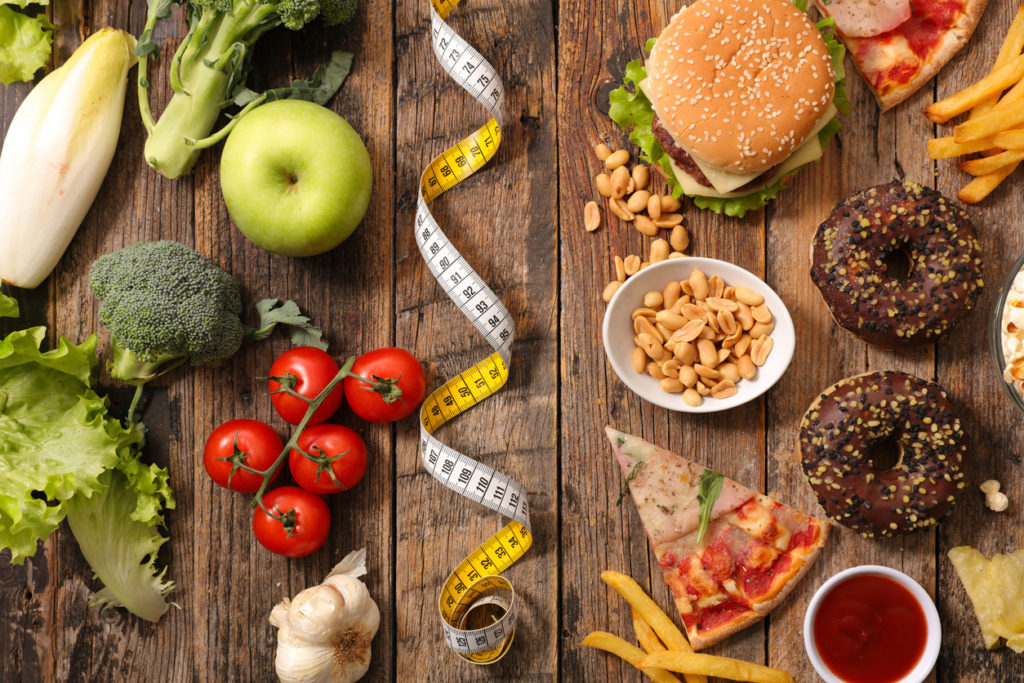
For example: 1 medium fry at Mc Donald's (about 114 g according to their data) is 17 g of fat, so 153 Kcal in fat, plus other elements such as proteins, carbohydrates, etc. . . The medium fry comes to 340 Kcal in total!
I'm using "Mc Do" as a benchmark, which of course applies to all types of fries.
In other words, foods with a high fat content should be eaten in moderation on the basis that an average daily calorie intake for a woman is 1800 to 2800 Kcal (depending on her physical activity) and for a man is 2100 to 3500 Kcal (also depending on his physical activity).
FOR INFORMATION: 1 gram of fat is 9 kcal.
There are 2 families of fats:
- Saturated fatty acids and unsaturated fatty acids (including monounsaturated fatty acids (0mega 9) and polyunsaturated fatty acids (Omega 3 and Omega 6)).
SATURATED FATTY ACIDS: About 10% of our daily food intake
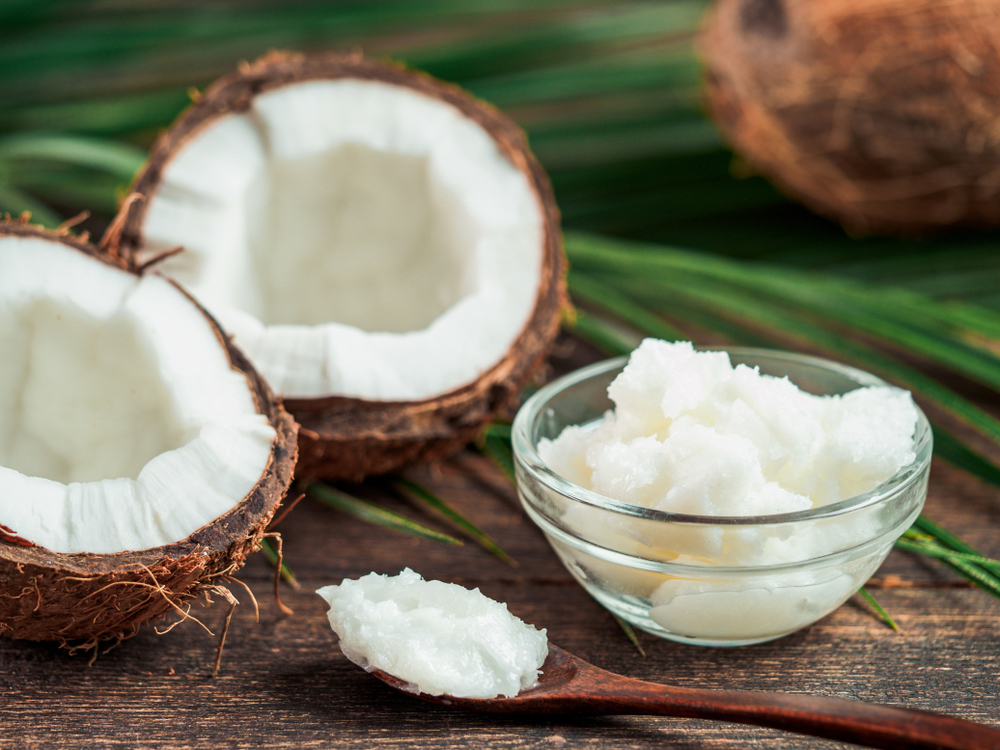
Saturated fatty acids are solid at room temperature and are of animal or vegetable origin. Although they have a bad reputation because they are associated with the formation of blood cholesterol, they do make a contribution to our diet. For example, saturated fatty acids from animal sources can be found in cheese, butter, cream, fatty meats, but also in pastries, chocolate bars, biscuits, fried and breaded products, ready meals and palm oil. Their intake should therefore be limited!
PROPORTIONS OF FAT IN A BALANCED DIET
33% fat / 67% carbohydrates and proteins.
UNSATURATED FATTY ACIDS
Monounsaturated fatty acids (0mega 9): about 14 to 20% of our food intake.
Polyunsaturated fatty acids (Omega 3 and Omega 6): about 6% of our food intake.
Unsaturated fatty acids are divided into two groups: monounsaturated and polyunsaturated.
-
The source of monounsaturated fatty acids
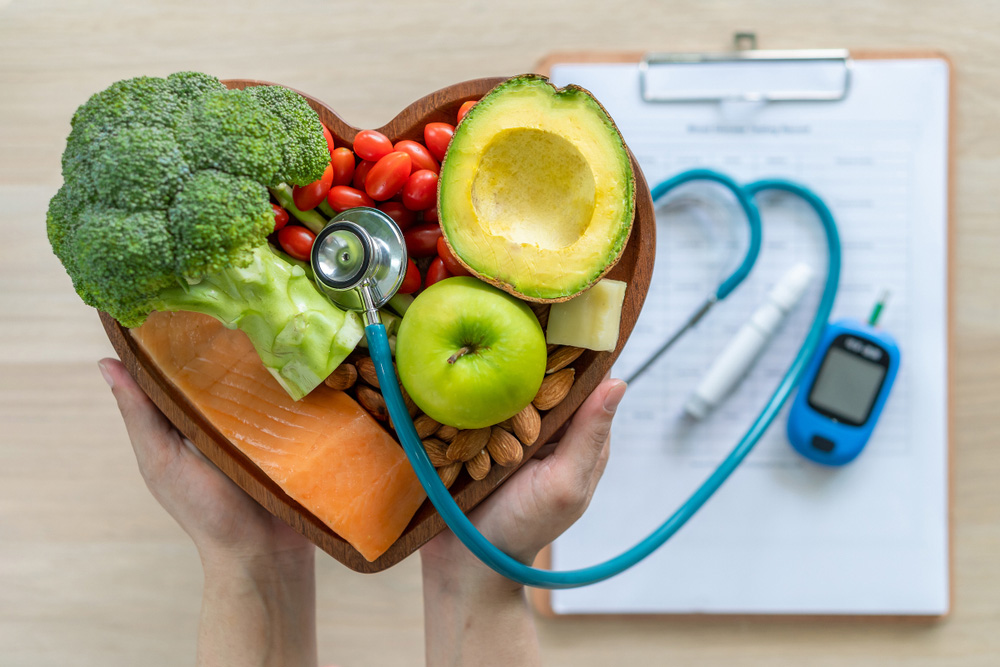
Also known as omega-9, they are found in olive oil, nuts, peanuts and avocado. They are liquid at room temperature and heat tolerant, so can be used in cooking. Considered "good fats", monounsaturated fats are known to have beneficial effects on cardiovascular function.
-
Sources of polyunsaturated fatty acids
These are vegetable oils. These fatty acids are liquid at room temperature and are fragile to oxidation. Omega-3s are the most fragile and should not be heated; flax seeds and the oil obtained from them are particularly rich in omega-3s. Walnuts, hemp seeds and the oil from them also contain omega-3s, but in smaller quantities.
Polyunsaturated fatty acids of the omega-6 type (soybean, corn, sunflower oil) are less fragile than omega-3, but are not suitable for cooking at high temperatures.
Polyunsaturated fatty acids are 'good fats' because they protect cardiovascular function, but in our diet the ratio of omega-6 to omega-3 is often far too high. This excess of omega-6 prevents the optimal assimilation of omega-3 by the body, because they compete with each other. Hence the importance of omega-3 supplementation.