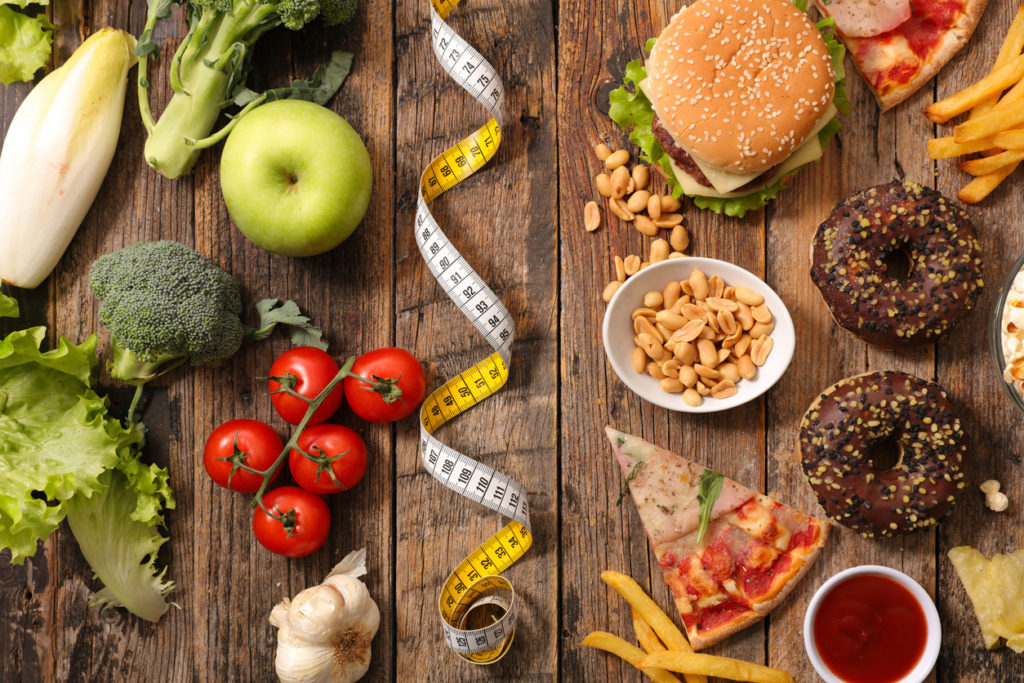
Despite the negative talk about dietary fats for many years, they are very important for good health. They provide the human body with essential fatty acids that the body cannot synthesise. Therefore, lipids represent a considerable source of energy for the human metabolism.
Properties of fats
- Within the family of fats, there are saturated fats and unsaturated fats.
- Omega 3 and 6 are very important because the body does not have the capacity to produce them.
- Lipids are components of all cell membranes in the body.
- A lack or excess of fat can have serious consequences.
- Eating foods that are rich in fat is helpful.
Fat by definition
Several fatty acids are considered essential because the metabolism cannot create them. These are the omega 6 (linoleic acid) and omega 3 (alpha linoleic acid) fatty acids. It plays a very important role in the cell membranes of the human body.
Omega 3 and omega 6 fatty acids should always have the same values because an imbalance between these two types of fatty acids can be harmful. To put this into context, an excess of omega 6 blocks the action of omega 3 in the cardiovascular system.
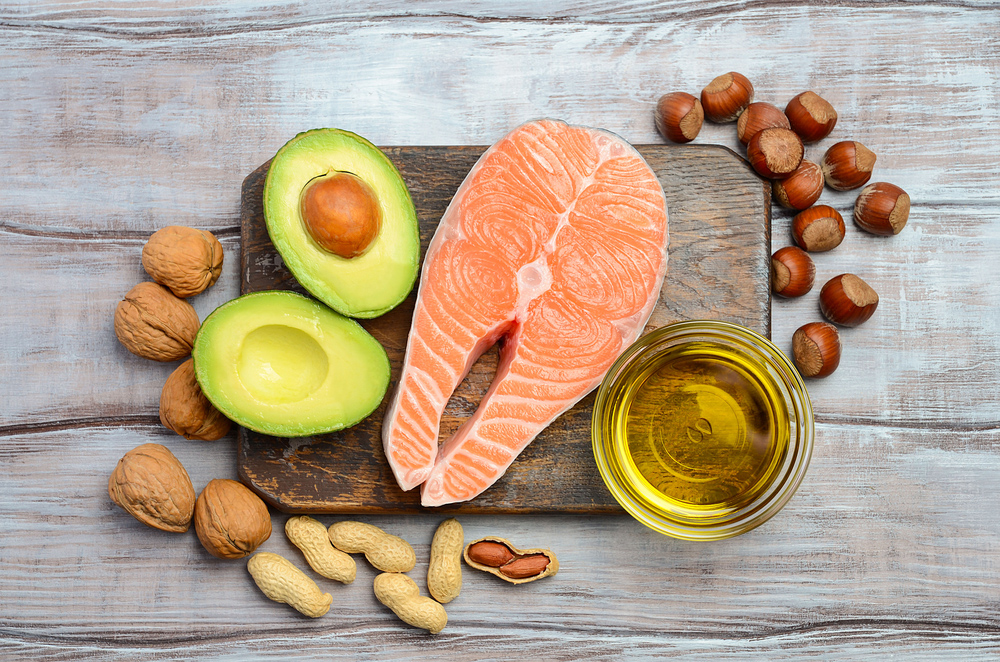
Monounsaturated fatty acids are not part of the essential fatty acids but are qualified as an important component of the cells of the nervous system. Where they are most concentrated is in olive oil, avocado and nuts and seeds.
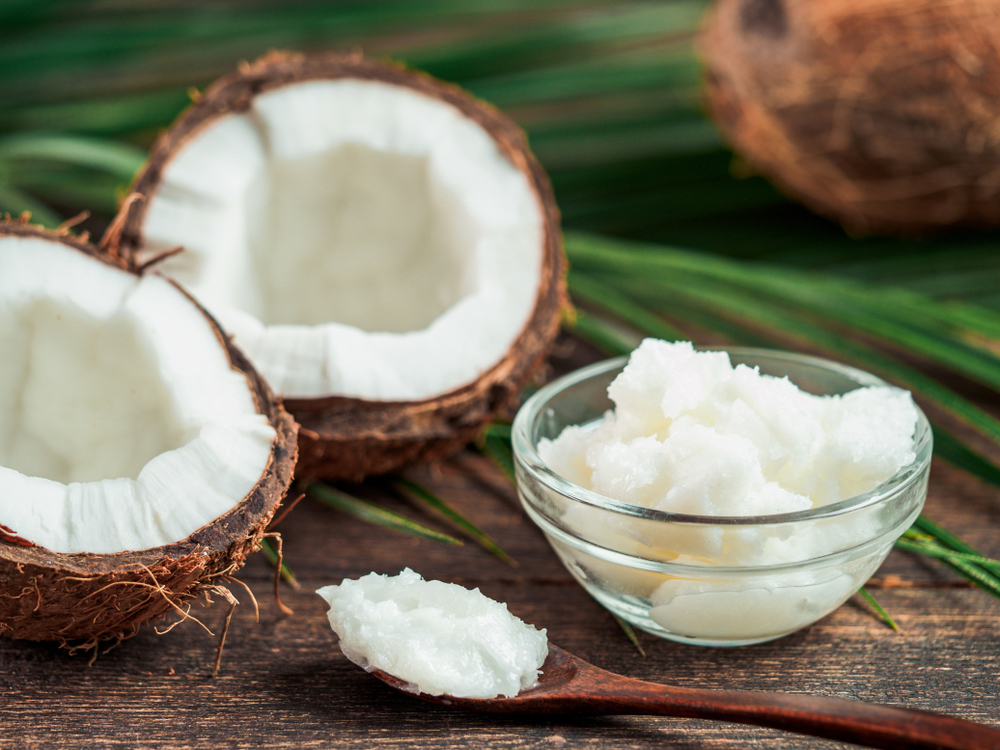
Saturated fats such as trans fats are not essential fatty acids. According to research, they are known to have negative effects on LDL cholesterol levels and present cardiovascular risks. Therefore, it is important to limit its consumption as much as possible.
Functions of fats in the body
- Gives energy
In contrast to proteins and carbohydrates, which generate 4 kcals per gram, fat generates 9 kcals per gram. And in some parts it supplements the daily energy requirements.
- Structure side
Lipids and other unsaturated fatty acids are the main components of cell membranes and the cells of the nervous system. In addition, these cellular components of the dermis promote the docility and elasticity of the skin.
- Helps transport fat-soluble vitamins
The human body contains many vitamins that can only be synthesised with the help of lipids. Experienced people call them fat-soluble vitamins: vitamin A, D, E and K.
- Hormone synthesis aid
Fatty acids occur and help the creation of some steroid hormones, mainly derived from cholesterol, testosterone as well as cortisol. Prostaglandins also come from molecules derived from lipids.
- Perform a lipid assessment and find a lipid abnormality
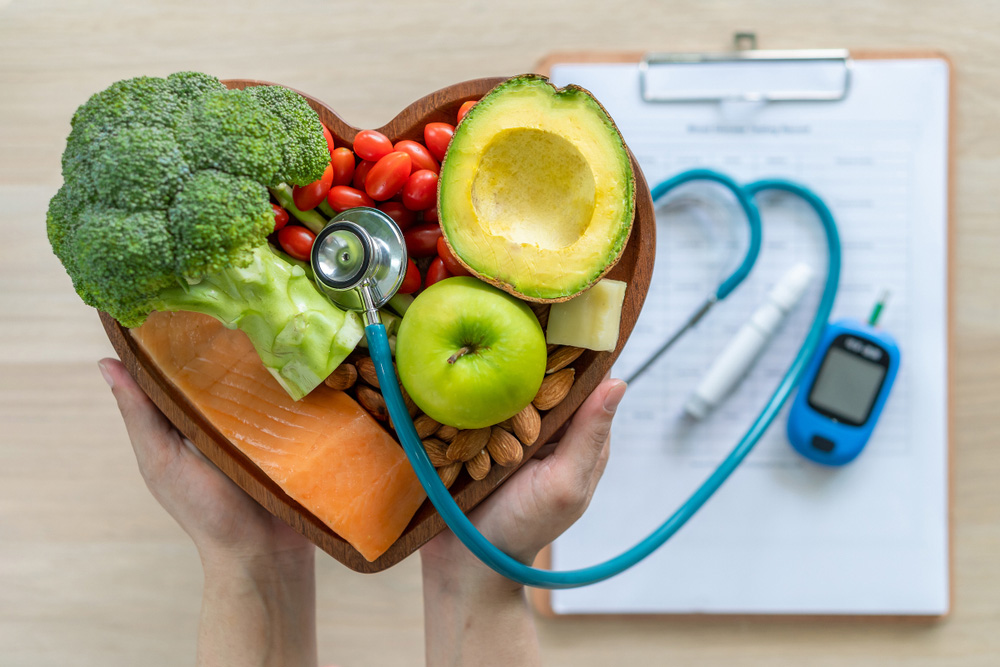
A lipid profile gives the diagnosis and the characteristics of the lipids in the blood, it also makes it possible to know if there is an excess or a deficiency of these products. Triglyceride, LDL-cholesterol and HDL-cholesterol levels are the quantities of lipids often analysed. The cardiovascular risk is also given by this type of lipid assessment. Of course, an excess of cholesterol or triglycerides is the cause of the risk of cardiovascular accidents which should not be taken lightly.
How fat digestion works
As soon as it is introduced, the lipids will be emulsified and fused to the salts of the bile contained in the intestine. They will form micelles that can be integrated into the cells of the small intestine. The chylomicron will then be formed.
These will generate fats in the blood, where they are attached to lipoproteins, such as HDL, LDL, etc. . . . . It is the existence of these lipoproteins that is analysed during a blood test in order to identify probable lipid abnormalities.
Foods rich in fat
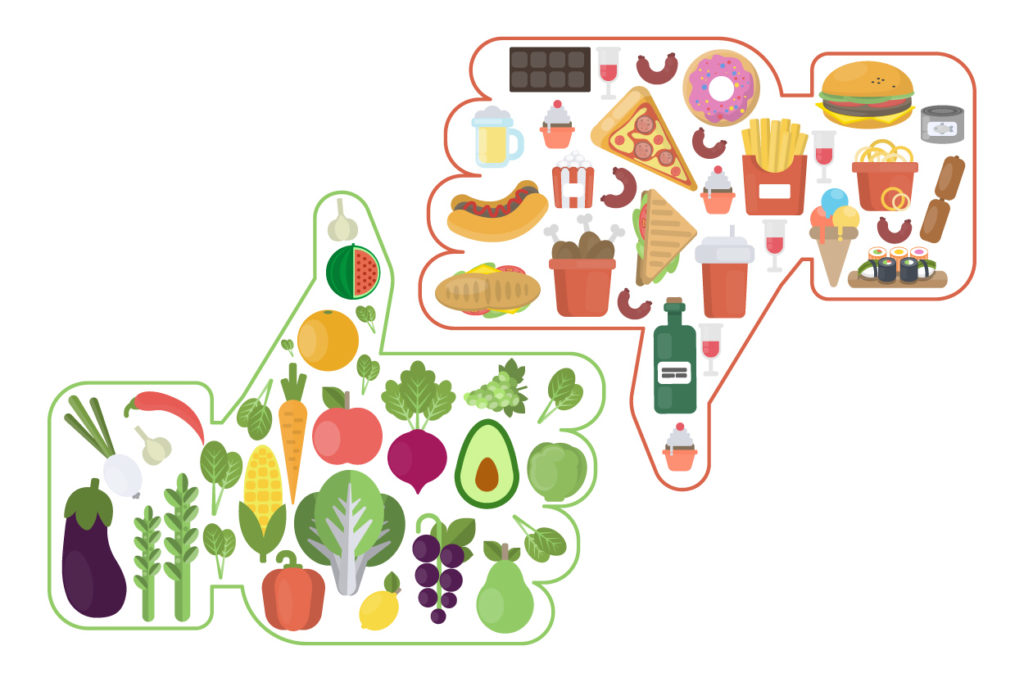
Butter, margarine, vegetable oils, fried foods, pastries and some ready meals are the main sources of fat. Since they increase the taste, texture and flavour of foods, they are consumed excessively in order to produce industrial foods.
The origins of omega-3 are oily fish, flax and oilseeds, whole eggs, rapeseed oil and nuts. Omega-6 acids are generally found in vegetable oils such as grapeseed, corn, safflower or sunflower oil.
How to make fat more beneficial?
The benefits of fat
- Fat supplements
Omega-3, 6 and 9 are often recommended before or during the treatment of some cardiovascular or neurodegenerative diseases. Before thinking about having a dietary supplement aimed at increasing lipids, it is advisable to ask for doctors' recommendations.
- Fat and bodybuilding
For sportsmen and women and especially for bodybuilders (in bodybuilding), a better fat level is important. Fats promote the synthesis of hormones, accelerate the metabolism and enable muscle gain. A varied and well-balanced diet is sufficient to meet the needs. Indeed, a supplement in essential fatty acids helps, in certain situations, and indeed it is very effective.
The harmful effects of fat
- Underdosing on fats
Insufficient fat intake can lead to growth deficiencies and an increased risk of chronic diseases. In a case where a fat deficiency is combined with an insufficient intake of carbohydrates and proteins, i. e. energy, this phenomenon can become malnutrition.
- Fat overdose
Nowadays, it is common knowledge that an excess of fat with a high enough energy requirement can lead to obesity. There is also a connection between excess fat and the possibility of heart disease, cancer and insulin resistance leading to type 2 diabetes. Also, the kind of extra fat digested is a very crucial factor in this situation.
- The combination of fat with other nutrients
Fats slow down the digestion and maintenance of carbohydrates, so they aim to reduce the glycaemic index of a meal. Between each fat, they can at some point compete with each other. This is what happens with omega-6 and omega-3. Digested omega-6s in excess slow down the beneficial action of omega-3s and have a pro-inflammatory effect. Lipids are also important for the absorption of fat-soluble vitamins A, D, E and K.
Their chemical properties
Lipids consist of fatty mass. Depending on the type of molecule, they are either solid or liquid in their original state. Saturated fatty acids are in a solid state. They have no double bonds and are therefore particularly compact. Unlike mono- and polyunsaturated fatty acids, which are in a liquid state at constant temperature, their double bonds make them unstable and sensitive to oxidation. Lipid types are hydrophobic or amphiphilic, as they contain one hydrophilic and one hydrophobic group.