
Fatty acids or lipids, everyone talks about them. But what is a fatty acid or a lipid? Note that it is the most energetic macronutrient in food. The body needs its presence. Apart from its energy role, fatty acids are essential for good health. To find out more about fatty acids, here is some information about them.
Fatty acids and their categories
Chemically speaking, fatty acids are chains of 4 to 22 atoms with an acid group COOH on the one hand and a methyl group CH3 on the other. There are various types of fatty acids depending on their molecules.
- Mono Unsaturated Fatty Acids or MUFA are fatty acids comprising a molecule with only one double bond. They are often in the form of oleic acid or Omega 9. The body can form them through other fatty acids such as saturated fatty acids.
- PUFAs or Polyunsaturated Fatty Acids are possible manufactured by the body. This is the reason why they are called Essential Fatty Acids or EFAs. Apart from this, the body forms other fatty acids such as Linoleic acid or Omega 6 and Alphalinolenic acid or Omega 3.
- Saturated Fatty Acids or SFAs are acids that have no double bonds.
- Cholesterol is a component of lipids. Found in many tissues, it is also stored mainly in the spinal cord and brain.
- Trans Fatty Acids or TFAs: these are acids obtained by hydrogenation. This is an industrial step that allows the conformation of unsaturated fatty acid molecules to be modified. The TFA will make it possible to make margarines from unsaturated vegetable oils, which are resistant to room temperature and can withstand high cooking temperatures. These are products that can be stored for some time.
The different effects of these fatty acids
Like all other supplements, fatty acids have many positive health effects.
- MUFA or Monounsaturated Fatty Acid lowers the amount of LDL cholesterol in the body. Thanks to this function, it reduces the possibility of cardiovascular disease and hypertension. It is also believed that people who eat foods rich in this acid are not at risk of breast, prostate and colon cancer.
- Thanks to Omega 6 and 3, Polyunsaturated Fatty Acids or PUFAs play a role in the processes of reproduction, growth and cell formation. It is only the Omega 3s that participate in the formation of cell membranes and those of the retina. They are even involved in the skin, kidneys and in vascular, inflammatory and immune reactions. The PUFA has multiple functions, as it is also involved in the level of blood coagulation, i. e. platelet aggregation. Omega 3 is also known for its protective function on the cardiovascular and cognitive systems. Omega 6, on the other hand, has a positive effect on blood lipid levels. However, if there is a surplus, they prevent the body from using Omega 3 to the full.
- SFA or Saturated Fatty Acid increases the level of cholesterol in the blood and that of Low Density Lipoproteins or LDL. It also encourages the deposit of cholesterol in the arteries. Apart from this, SFA increases cardiovascular disease.
- Cholesterol is a component of these fatty acids. Once it arrives in the body, it is moved through the bloodstream by means of lipoproteins or large molecules. LDL carries cholesterol from the liver to the organs. If there is an excess, it accumulates on the walls of the blood vessels and subsequently becomes a risk to the body. HDL or High Density Lipoproteins, on the other hand, transport cholesterol in the opposite direction and prevent it from binding to the tissues and blood vessel walls. Most cholesterol is also endogenous. In other words, it is formed by the body in the intestine and liver.
- Trans Fatty Acids or TFAs increase bad cholesterol or LDL and in return minimize good cholesterol or HDL. This is why trans fatty acids increase the risk of cardiovascular disease. They will also encourage the development of breast cancer. Apart from that, they interfere with the change of essential fatty acids into omega 3. That is why they should have less than 2% of absorbed fat.
Foods containing fatty acids
Like any other type of supplement, fatty acids can also be found in foods.
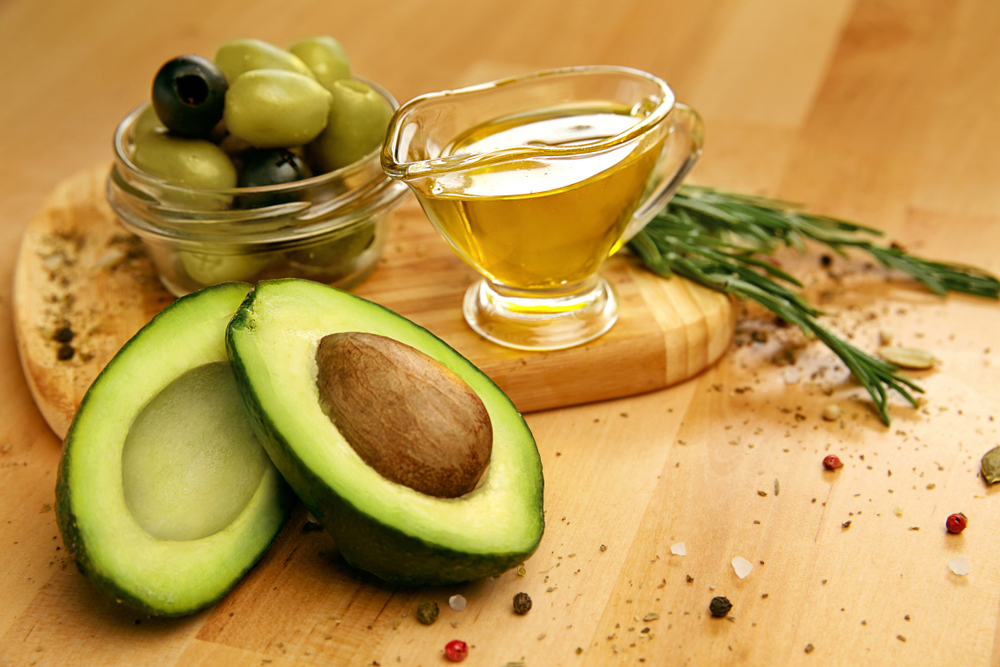
- MUFAs can be found, for example, in animal and vegetable fats. Olive oil contains 76% MUFAs, while peanuts contain 49%. They are also made up of 44% soy and 41% sesame. Apart from these foods, oilseeds such as pistachios, almonds, macadamia nuts, hazelnuts and cashew nuts also contain them. Fruits such as avocados and olives are also MUFAs, as are lamb, chicken, beef and pork.
- As far as PUFAs are concerned, they are available in sunflower, corn and soybean oil. Hemp and flax seeds are mainly enriched with this type of fatty acid. They can also be found in fish such as sardines, salmon and mackerel.
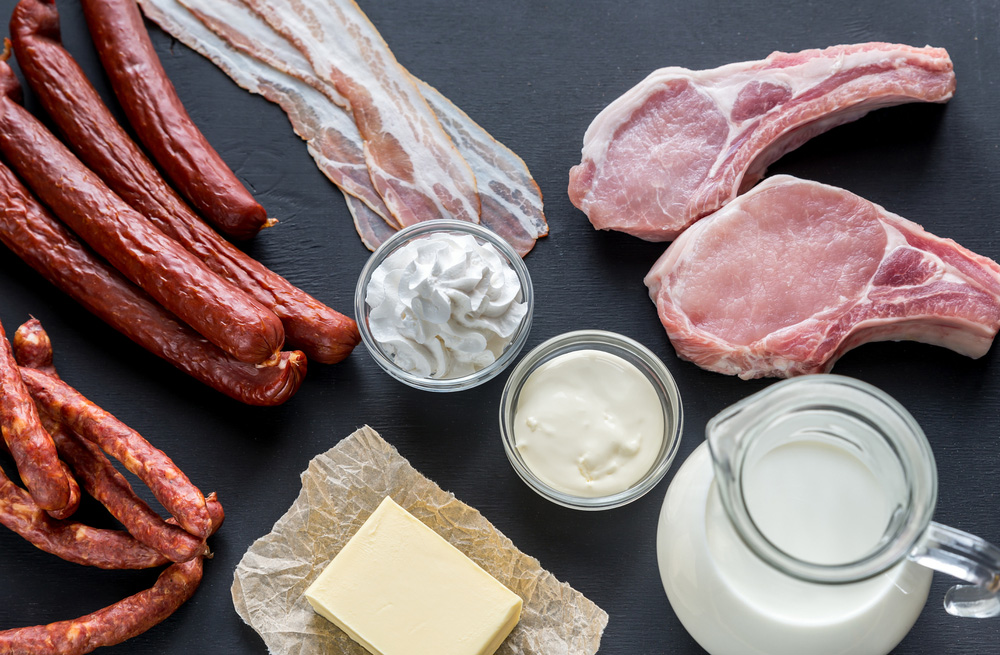
- As for SFAs, fats of animal origin contain them, namely lard, fresh creams and butters. They are found in tropical vegetable oil, particularly palm oil. Food products such as cheese containing 40% fat, pastry, cold cuts or dairy products.
- Cholesterol can be found in animal fats such as creams, butters, lard and lard. Meat, cheese, cold cuts, egg yolks and shellfish also contain it.
- TFA can be found in industrial biscuits, pastries and canned soup. Snack biscuits, cereal bars, margarines and pastries are also foods containing TFA.