
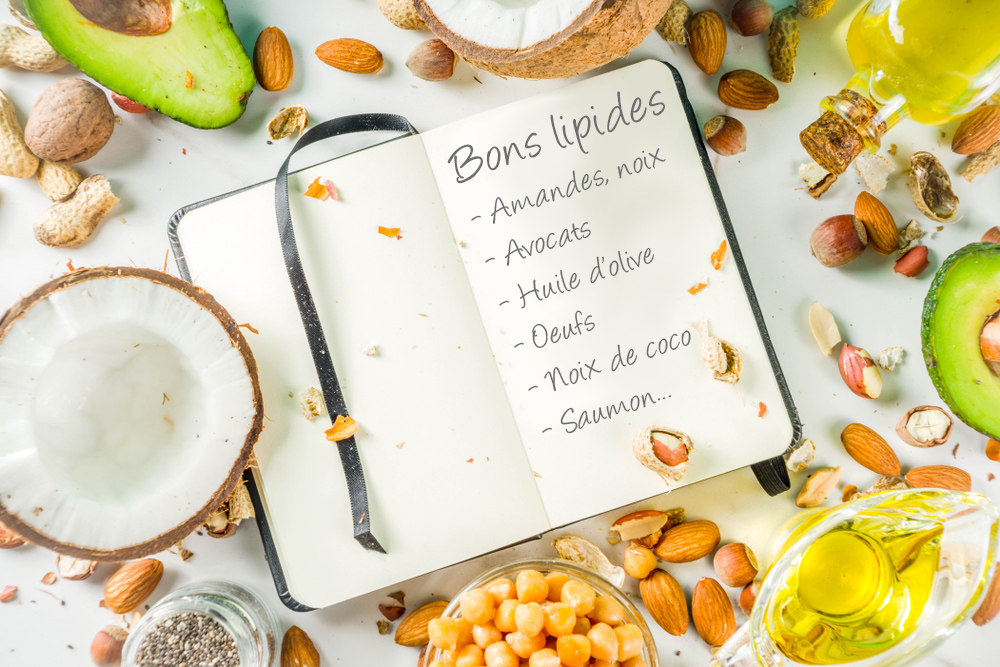
A subject that has always been denigrated, fat has been labelled as a factor in obesity and cardiovascular disease. Whereas fat is important to the body. You just need to choose the right fats for good health. Find our top 10 foods rich in good fats
What you need to know about fat
Fats, containing fats, are necessary for the body to function properly. They contribute to the assembly and action of cell membranes and are involved in many biological functions such as the transport of proteins, vitamins and hormones in the blood.
Specialists currently recommend prioritising a diet containing fats (good fats) over sugar, which is more harmful to health. Fats are a very high calorie source: 1g of fat is equal to 9 kcal. There are also saturated fatty acids, which are not very recommended for health because they stimulate cholesterol. They are very present in red meat and dairy products. Moreover, unsaturated fatty acids, the majority of which come from vegetable oils in particular, but which are also found in fish meats. They regulate cholesterol and prevent the onset of cardiovascular disease.
The majority of the population in France consumes more omega 6 than omega 3. These fats have identical enzymes and can interfere with each other. Contrary to omega 3, omega 6 are very present in the body and have an inflammatory corollary. It is therefore necessary to restore the balance by taking foods with more fat and anti-inflammatory substances.
Olive and rapeseed oil
Olive oil is the most recognised of all oils. It is known for its many benefits (lowering blood pressure, preventing vascular disease, mitigating some of the harmful consequences of pollution, reducing the threat of cancer), and at the same time it is highly prized for its fruity flavour. With a lot of omega 3, it is a very important source of fat. Just after olive oil, rapeseed oil is also rich in monounsaturated fatty acids and especially in omega 3. It has a better ratio of omega 3 to omega 6 and also contains the same amount of omega 9 as olive oil. It has more antioxidants, protects against ageing and just one spoonful of oil is enough to meet a person's daily omega-3 needs.
Avocado
A subject that is neglected in diets, yet it is a very important food for staying fit. Qualified as fat, the avocado contains monounsaturated fats which have a very positive role on cholesterol. It is very rich in vitamin K which participates in the mineralization of bones, in the development of cells and in coagulation. With its inflammatory aspects, this vitamin improves cardiovascular health. This fruit also contains vitamin B9 (folic acid), trace elements, minerals, and fibre (recommended for transit and the figure).
Sardines
One of the foods that allows you to consume the most protein, fish actually contains the 9 essential amino acids for the human body. These proteins are very much in demand in the constitution of hormones, digestive enzymes, and tissues, for example skin and bones. Moreover, sardines contain omega 3, which protects the body from cardiovascular diseases. Sardines are low in calories but high in selenium, a trace element with antioxidant qualities that slows down the premature cell ageing caused by free radicals.
Mackerel
Mackerel is one of the fish with the highest content of omega 3. It also has a high content of vitamin B, which prevents cardiovascular disorders, osteoporosis (bone deterioration) and depression. Also rich in vitamin D, it helps maintain bones and dental health and also prevents some cases of cancer and depression. It also contains many minerals (selenium, iron and iodine). Like sardines, it is recommended for pregnant women just when it is cooked. Like sardines and mackerel, salmon also has a high amount of omega 3 and is often exposed to pollution and plastic.
Flax
Flaxseed has a good amount of fatty substances. Indeed, they have a high content of omega 3, essential fatty acids, and vitamins like vitamin B, C, E, and K. Flax can also be in the form of oil. Thus, one tablespoon of flaxseed oil provides 8g of omega 3. Certainly, the seeds are to be consumed in small quantities in the dishes but they are simple to add in the dishes and to integrate them regularly in smoothies, yoghurt, cereals and even in the pastries what decreases the dangerous cholesterol and increases the good.
Nuts and hazelnuts
Just like seeds, nuts and hazelnuts are easy to use in cooking: in salads, breakfast cereals or snacks. Nuts contain 8g of omega 3. In one day, just 20g of nuts (about 5 large nuts) can provide the necessary fat intake. In addition to the omega-3 fatty acids, they are enriched with vitamin E, a micronutrient that strengthens the immune system. Both are a good source of fat and easily satisfy the hunger pangs.
Almonds
Almonds are also a popular oilseed among nutritionists. They are a good source of omega 3. They are rich in calcium and magnesium, almonds contain a high protein content and are an alternative to animal products. They contribute to satiety and a healthy digestive system. With their antioxidant content, a handful of almonds contains a quantity of polyphenols equivalent to a bowl of broccoli or green tea.
Eggs
Eggs, more specifically the yolk, are very rich in fat as they contain omega 3. It is also important to regularly take eggs from organic hens to ensure good nutritional quality and the absence of traces of GMOs (genetically modified organisms) and antibiotics.
Dark green vegetables
In any case, green vegetables such as spinach, broccoli, or kale are the best omega 3 holders. In addition, they are important for their caloric value: vitamins, fibre and minerals. Eaten on a daily basis, vegetables contribute to the preservation of health. By combining them with olive oil and seeds, a person can enjoy a good composition with a high content of omega 3.
Peanut butter
Peanut butter may sound scary to most people. The reason is simple, peanut butter contains around 50% fat, and 30% for the spread that is often served for breakfast. However, there the two fats are not the same. Peanut butter contains a large proportion of monounsaturated fatty acids. However, for good health, it is important to choose organic peanut butter with 100% peanuts and a little salt. Avoid American products that contain excessive sugar and are made with roasted peanuts and hydrogenated palm oil.