
Carbohydrates are one of the organic elements which, when consumed in large quantities, cause weight gain. However, the consumption of foods rich in carbohydrates is strongly recommended, especially for sportsmen and women who practice regular intense activities and who must compensate for these activities with a good diet to develop muscles and support the efforts made. So how can we control these carbs to avoid getting fat? This article gives an answer to just that.
Carbohydrates
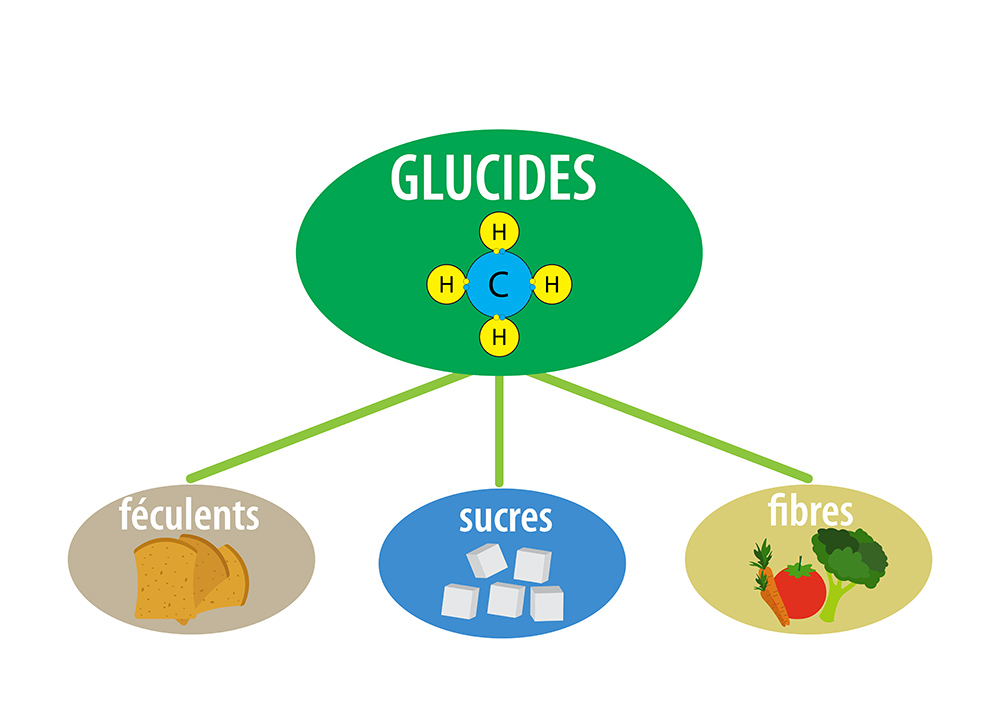
According to the scientific definition, carbohydrate is a class of organic compounds. There are two types of carbohydrates: simple and complex carbohydrates.
Simple carbohydrates include glucose, fructose and galactose, which in turn can form sucrose (= table sugar), lactose or maltose. Complex carbohydrates include starch, glycogen and fibre.
Carbohydrates are the preferred energy carriers of cells. They are stored in the body as glycogen, and are found in greater quantities in sweet products, starchy foods and fruit.
Overconsumption of simple carbohydrates leads to weight gain, and more seriously to obesity. It can also lead to dental caries, and is a breeding ground for overweight diseases such as type II diabetes or diabetes mellitus and cardiovascular disease, as excess carbohydrates are converted into fat by the body. Overconsumption of complex carbohydrates can also lead to weight gain and digestive problems such as heaviness, pain or constipation.
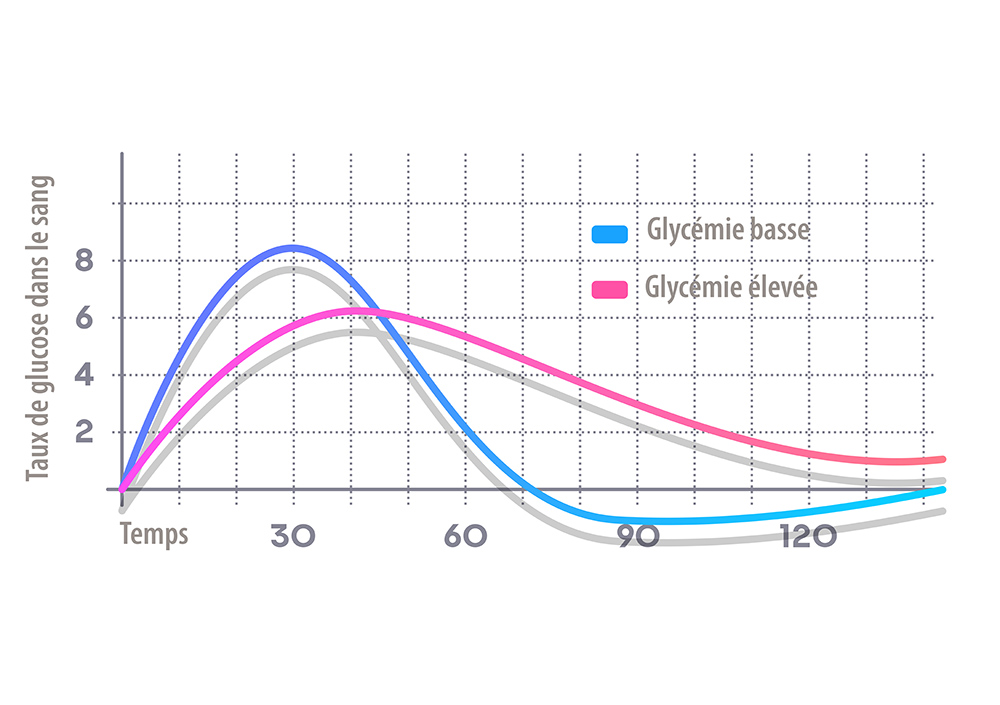
On the other hand, deficiencies of simple or complex carbohydrates can lead to hypoglycaemia, i. e. a drop in blood sugar levels. This is manifested by numerous and varied symptoms: faintness with or without loss of consciousness, fatigue, dizziness, sweating, tremors, headaches, palpitations, neurological signs suggesting cerebral damage.
Simple carbohydrate deficiencies also occur in cases of pancreatic or liver disease, tumours (insulinoma), or when taking glucose-lowering drugs (oral or injectable).
How to control carbohydrates?
The following is an example of a list of carbohydrates found in a typical day's consumption by people who do not control carbohydrates:
- Breakfast: bread, jam, spreads, sandwich bread, cereals, cakes, fruit juice.
- Lunch: bread, sauces, starch, soft drinks or fruit juice, sweetened yoghurt
- Snack: cereal bar, cake, fruit
- Dinner: bread, starch, dessert.
Most people adopt this diet in order to avoid fat, and believe that this way of eating is more effective in preventing weight gain. However, this is a misconception, passed on by the industry, and also taught by some health professionals to date.
It is obviously not wrong that excessive fat is not good, as it is then converted into fatty tissue in the body. However, eating too much sugar also has the same effect.
In order to control the amount of carbohydrates in the body, there is the so-called Low Carb Diet. The Low Carb diet is a fat loss, weight maintenance or awareness diet. This type of diet is used in bodybuilding to maintain shape and form.
Currently, most people consume far too many carbohydrates but do little physical activity.
Indeed, few people play sports, have physical jobs and walk or cycle. Most prefer to drive and rarely get up from their chairs during office hours.
The easiest way to lose calories is to walk, or do any other regular physical activity: dance, aerobics. . .
What are carbohydrates used for?
Carbohydrates have 3 main roles, which are not necessarily important for body function.
- The body runs on glucose. But the reason we are alive today is because it is possible to find it in more than just starchy foods, cakes and cereals.
- A fit body stores only about 2000Kcal of carbohydrates in the form of glycogen in the body (muscles and liver) and 70,000Kcal of fat in the adipose tissue and muscles. These 70,000 Kcal do not come mainly from the fat consumed but from the periodic caloric excess.
- Carbohydrates are used in particular for intense efforts, and less for endurance efforts. Without physical activity, it is not necessary to consume a large amount of carbohydrate.
To conclude
In conclusion, it is important to remember that carbohydrates should not be eliminated, but rather controlled. For a person who is not very physically active, eating too many carbohydrates can make you fat. On the other hand, for an athlete, carbohydrates should be consumed but also moderated through various foods and diets.