Regular physical activity helps to slow down bone loss in older people. Find out in this article, everything there is to know about this bad.
Definition and mechanism of osteoporosis
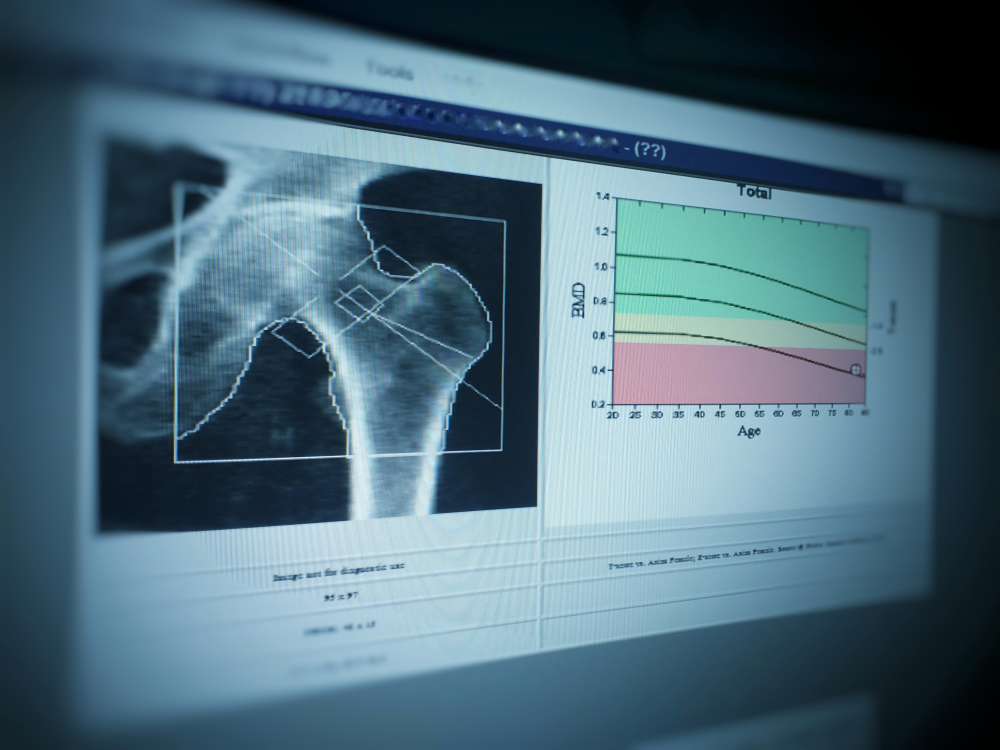
Osteoporosis (porous bone) is a skeletal disease defined by brittleness related to a decrease in bone density and mass, but also to changes in the architecture of the bone. It is also known as bone demineralisation.
This fragility, induced by an imbalance between bone resorption and formation, eventually leads to fractures which are the main clinical manifestation of the disease.
Symptoms and complications
Osteoporosis does not usually have symptomatic manifestations, as the decrease and alteration in bone mass is painless and silent.
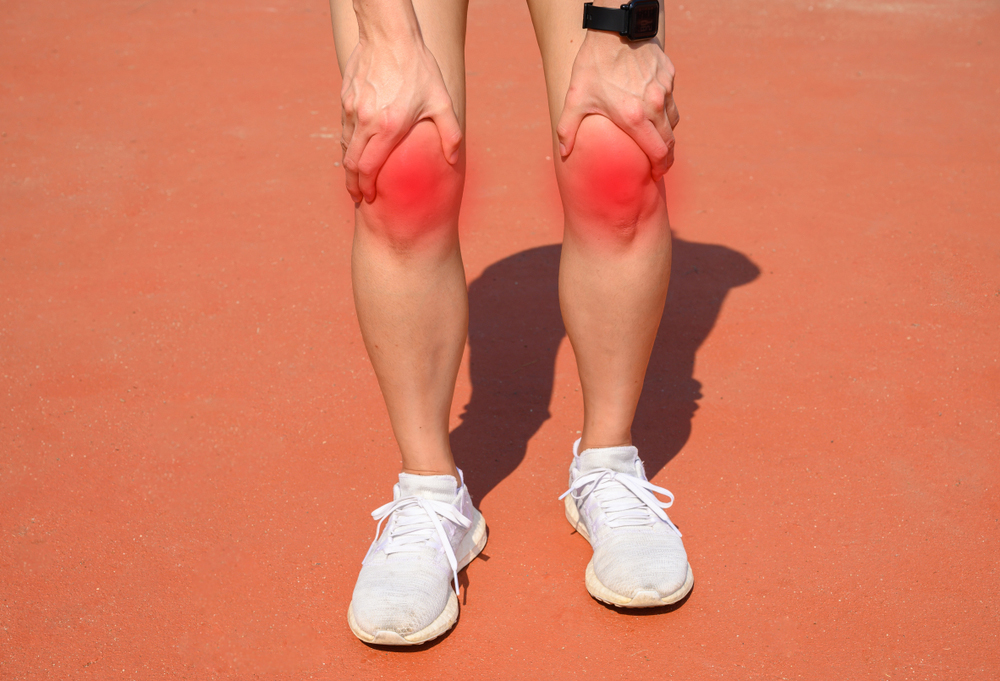
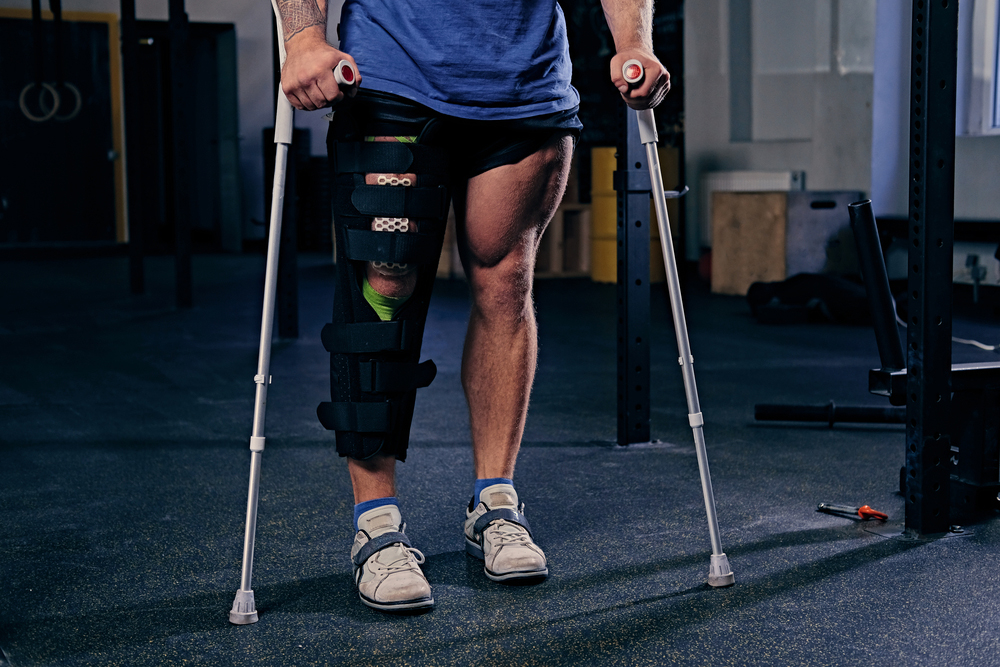
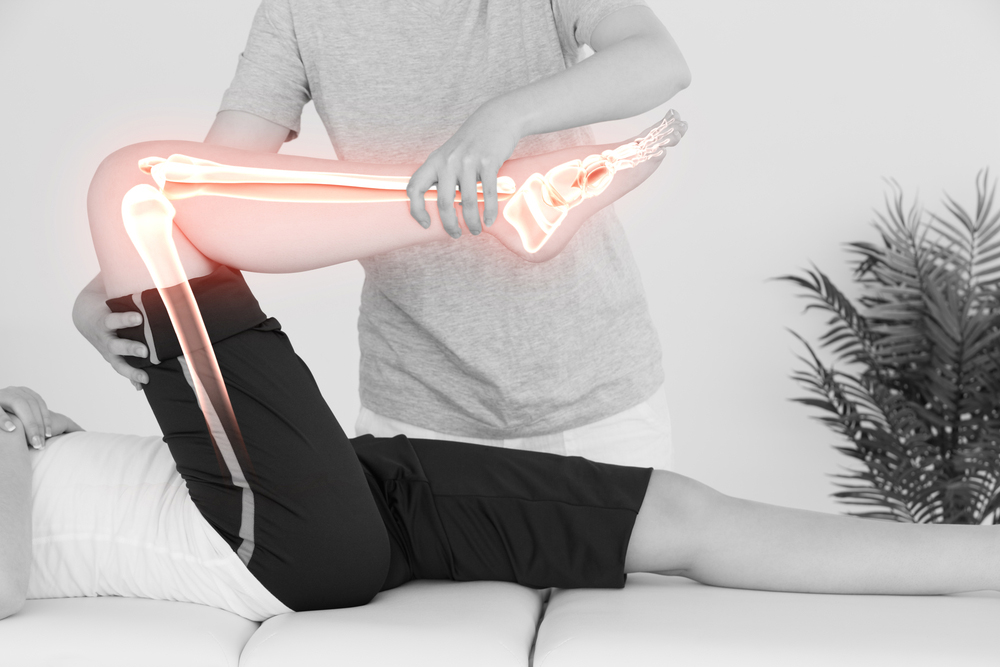
Weakened bones cannot really support the weight of the body or even light pressure and can easily break. These fractures occur most often in the spine, the neck of the femur or the wrists. Hip fractures are very common in seniors over 75 years of age.
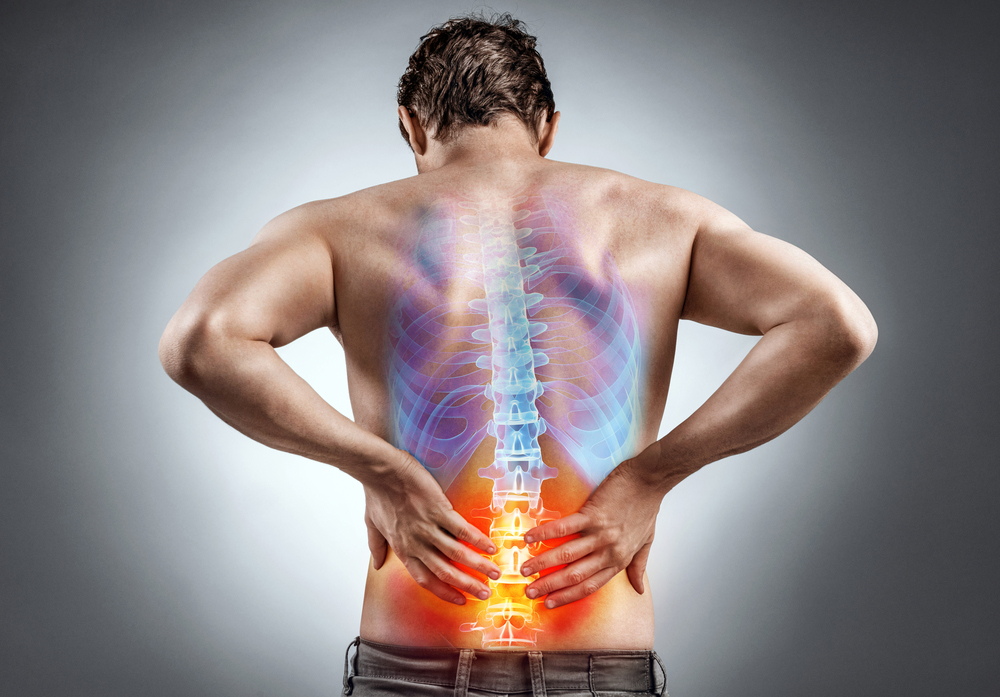
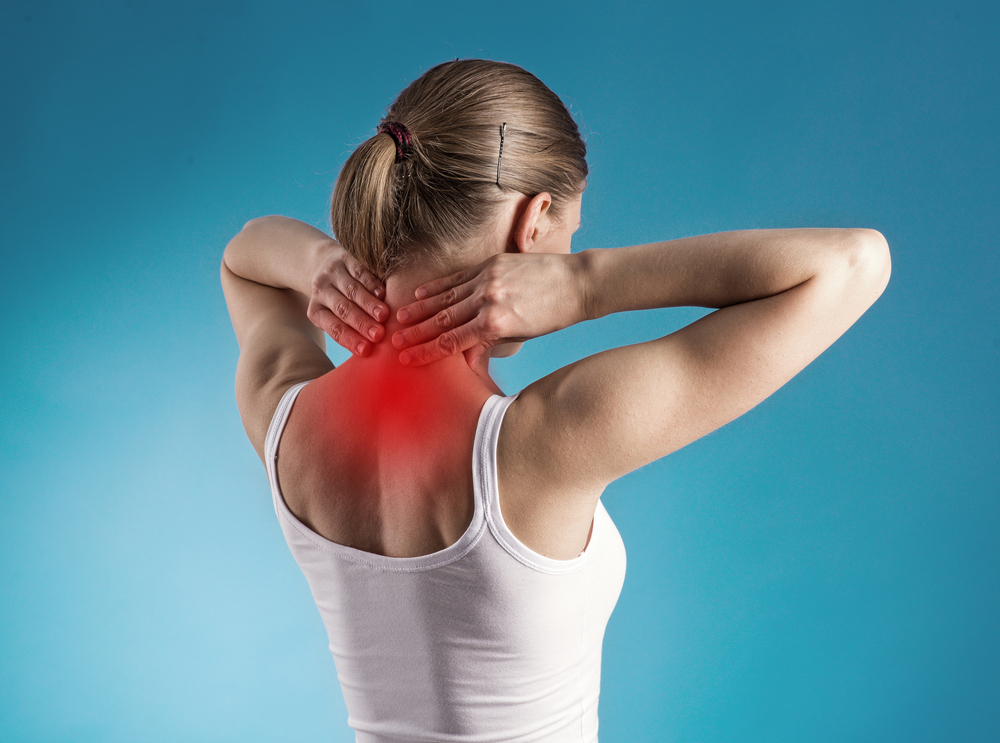
Osteoporosis can also lead to chronic back pain. During movement for daily activities, the pain can become unbearable and seriously disable the patient's life.
Benefits of physical activity for osteoporosis
Frequent and intense exercise helps children and teenagers to strengthen their bone structure. For older people, certain types of exercise such as the CardioMACS7® senior circuits help to prevent this bone loss and also help to maintain balance and coordination, which in turn helps to prevent falls and reduce the number of fractures. Furthermore, the diversity and adaptability of the exercises contained in a CardioMACS7® circuit allow to respond to the different stages of development of osteoporosis.