
Energy is essential for the muscle fibre to make efforts. This comes from the food consumed, which is why it is important to eat a balanced, varied and varied diet.
This increases muscular performance and progress in sports. It is essential for an athlete to control his or her energy because this energy will directly influence his or her performance.
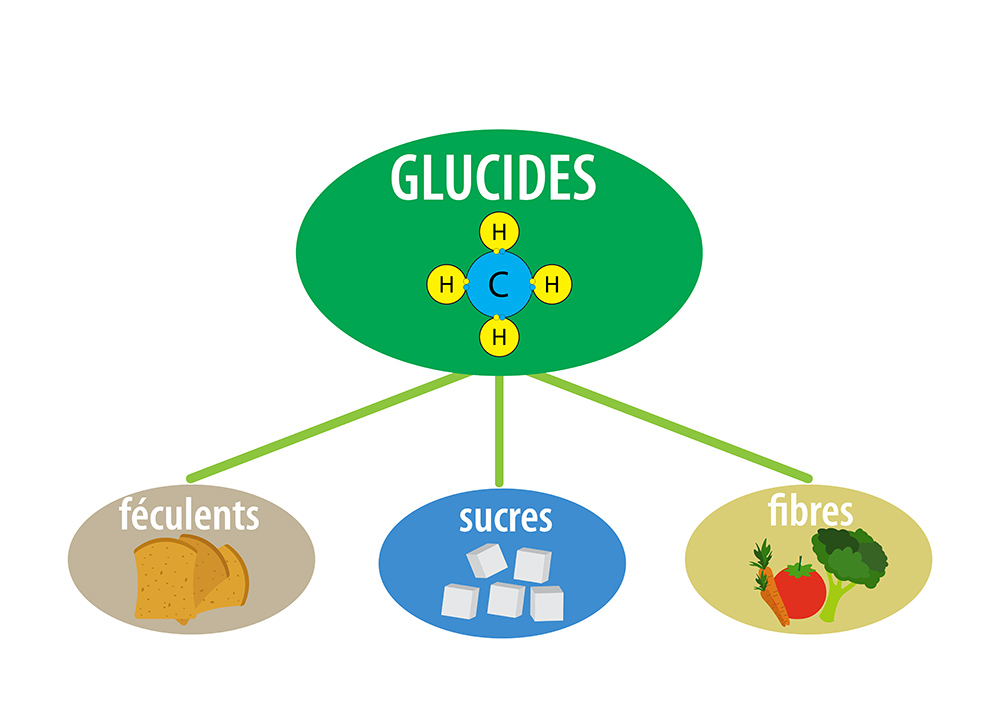
It is therefore very important to maintain a sufficient level of hepatic and muscular glycogen, and therefore to consume enough carbohydrates.
Some reminders
- Metabolic reminders
Fatty acids are the primary energy substrates when the body is at rest. When the body begins exercise, carbohydrate is used in two phases:
- The early phase: using muscle glycogen. The speed of glycogenolysis is related to the intensity of the effort.
- The later phase: using plasma glucose. With the post-receptor effect, the uptake of glucose sugar by the muscle increases.
During practice:
- At low intensity such as walking, in the majority there is oxidation of fatty acids.
- At higher strength: sugar provides energy and fatty acid oxidation increases during practice.
- To even greater power: carbohydrates provide about 2/3 of the energy. And the availability of free fatty acids decreases.
- During short, intense effort: glycogenolysis is favored.
- During sustained exertion: neoglucogenesis or the manufacture of glucose sugar from non-carbohydrate elements (amino acids, glycerol) increases.
And for the evolution of blood glucose:
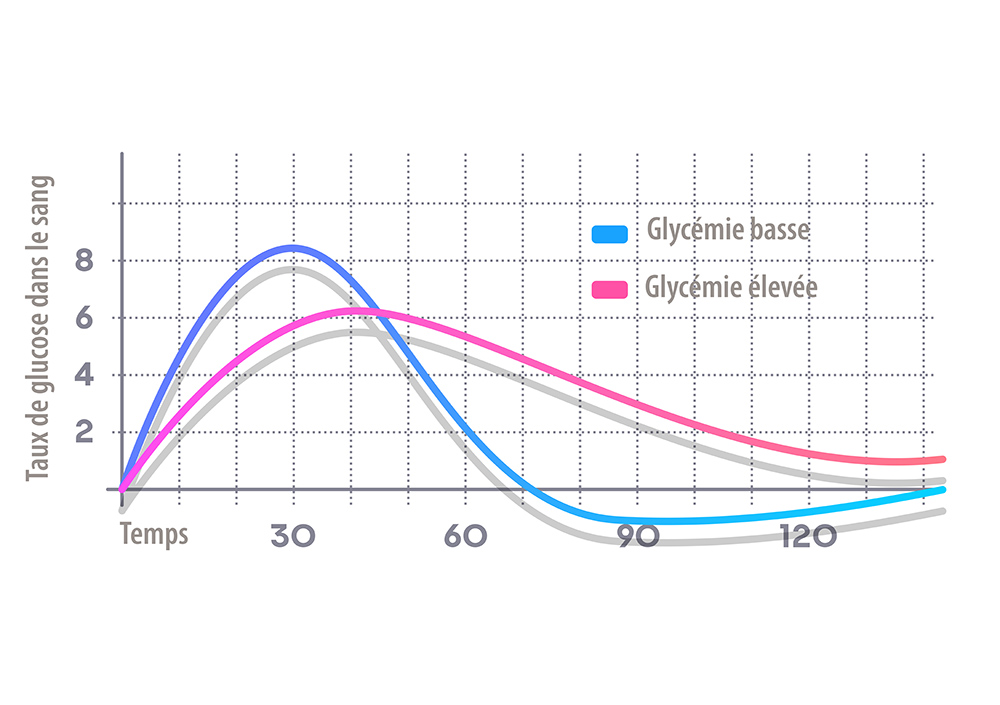
- For 40 to 60 minutes: blood glucose is maintained and may increase.
- After 1. 5 hours: blood glucose levels decrease by about 30%.
Note: during intense and very long efforts, it is possible to have a decrease in sugar.
What does this have to do with performance?
Broadly speaking, the notion of performance is linked to three main parameters:
- The amount of carbohydrate already available in the body.
Afterwards, it all depends on the intensity and the time taken to make the effort :
- During a high intensity effort of less than 1 hour, a required amount of muscle glycogen is needed.
- During low-intensity exercise lasting more than 1. 5 hours, hepatic glucose output and blood glucose levels limit performance.
What are the objectives for an athlete?
First of all, it's a question of the energy needs that must be met on a daily basis. Basically the basic vital needs (breathing, digestion, urination. . . ) as well as the needs related to the muscular work which depends on the type and period of activity.
The second is to improve performance. It is the fact of establishing an optimal storage of muscular and hepatic glycogen. To limit the depletion of stocks and to limit changes in blood sugar levels, especially the risk of hypoglycaemia during long sessions.
Finally, the third objective is to promote recovery through restocking or repletion.
The training period
In general, the athlete's nutritional intake is sufficient but there may be a notable imbalance in macronutrients (lipids, carbohydrates, proteins. . . ) accompanied of course by low carbohydrate intake and fairly high lipid intake. This phenomenon is what is known as insufficient replenishment of reserves leading to non-optimisation of performance.
Here are the main tips to avoid this:
- A healthy diet is balanced with 5-10g/kg/day of carbohydrates.
- Additional requirements covered by carbohydrates
- During the sessions, complex carbohydrates (starchy types) should be favoured in daily nutrition and simple carbohydrates with low, medium and high glycemic index around the effort: before, during and after.
- Note: In an athlete, training has very positive effects on the body. This means that the muscle feels its oxidative faculties increased by an increasing content of mitochondria (equal to small metabolic factories for energy production).
What kind of carbohydrates should you take before, during and after training?
There are three types of sugars often used around exercise:
- Glucose has a high storage capacity. It is the source of energy with a great capacity for mobility during exercise and which spares reserves. During intense efforts, its oxidation is limited and glycogen reserves are largely used up. On the other hand, there is a risk of hypoglycaemia during exercise if sugar is mainly used before and during exercise, causing a very high insulin secretion and lipid catabolism or partial inhibition of lipolysis.
- Fructose which has good oxidation and heralds the risk of early hypoglycaemia with a low GI. The same as glucose, this sugar maintains blood sugar levels during exercise and helps to save glycogen. The only problem is that it remains less available and favours the appearance of digestive problems during exercise if consumed in large quantities (incomplete absorption). In this respect, beware of fruit that is rich in fructose before and during exercise, the consequences can be fatal. This sometimes prevents the problem of feeding tables at this level.
- Maltodextrin, which has a group of carbohydrate entities derived from some form of starch, most often wheat or corn starch, or tapioca or potato starch.
What are the carbohydrate intakes?
What are the carbohydrate intakes before the effort?
At the beginning of the event, carbohydrates help to optimise glycogen stocks and maintain hydration levels. On the other hand, it is necessary to limit the hyperinsulin linked to high GI carbohydrates, hence the need for fructose and fractional intakes. Therefore, it is recommended to take a drink composed of glucose + fructose (water + honey for example) which allows to keep the glycogen stock.
What are the carbohydrate intakes during exercise?
This depends on the duration of the event, and will facilitate hydration, limit cravings and maintain the stock of glycogen built up beforehand. This is also valid for efforts lasting more than one hour, energy drinks are recommended for hydration and a complex intake of fructose/glucose/maltodextrin. The longer the effort lasts, the more fructose intake is gradually reduced to prevent digestive problems.
What are the carbohydrate intakes after exercise?
When the body stops moving, or in the recovery phase, the muscles undergo an early replenishment of stocks, in the first half hour, the more flexible they become with a loss of mass over time.
In conclusion, sugars are essential nutrients for an athlete during the season but mainly also during exercise. Their intake enables performance to be achieved. You should also remember to hydrate so that the cells can function properly. And finally, each tolerance is individual, so it is necessary to take into account what the body can tolerate.