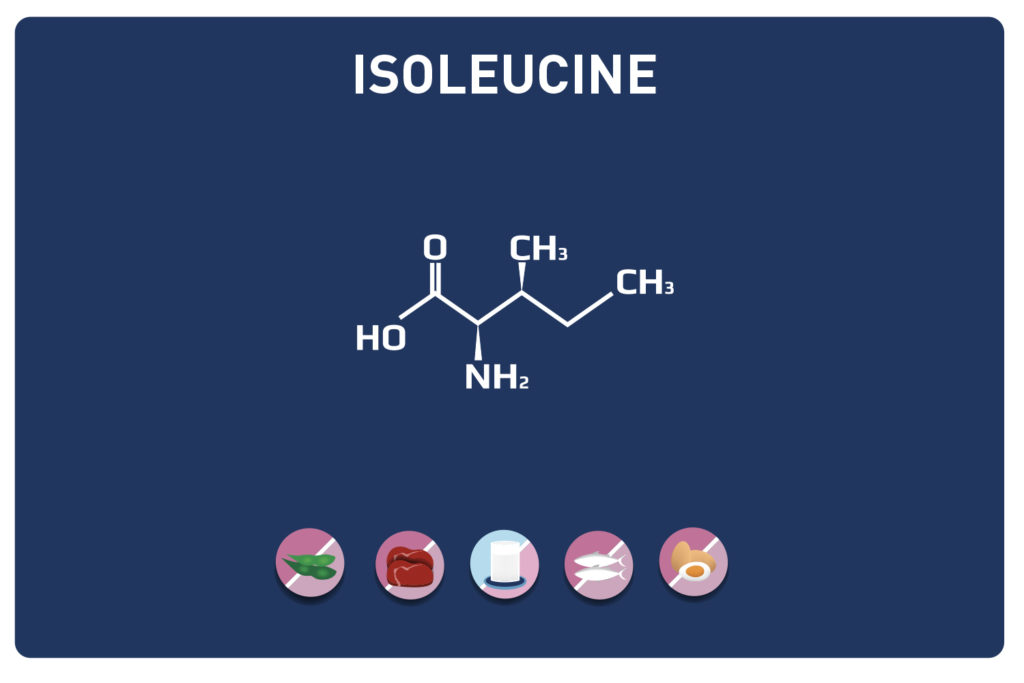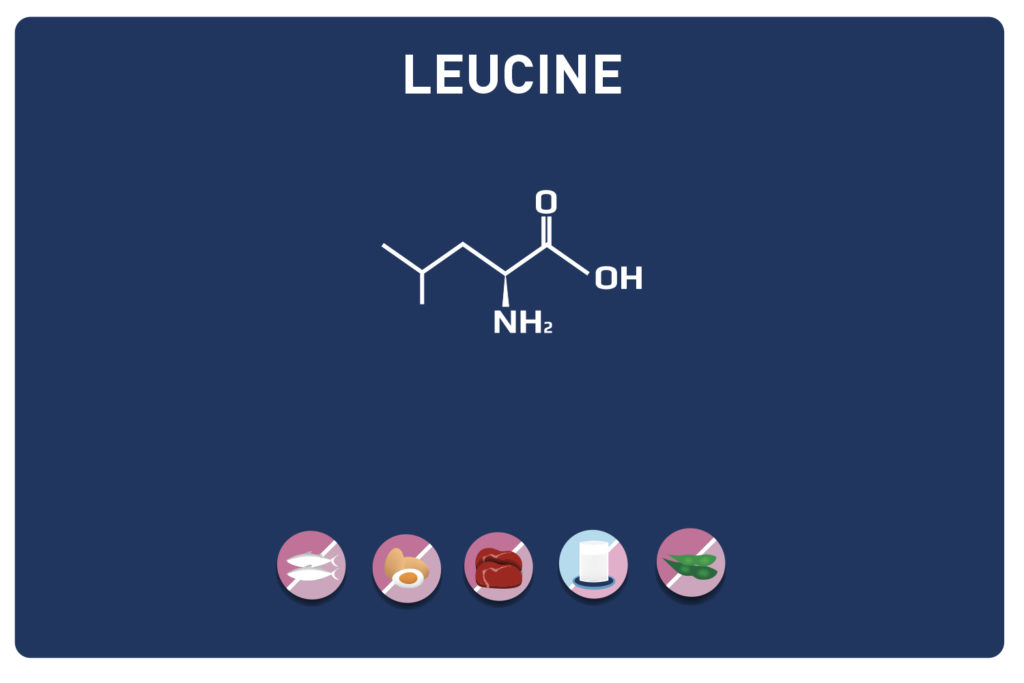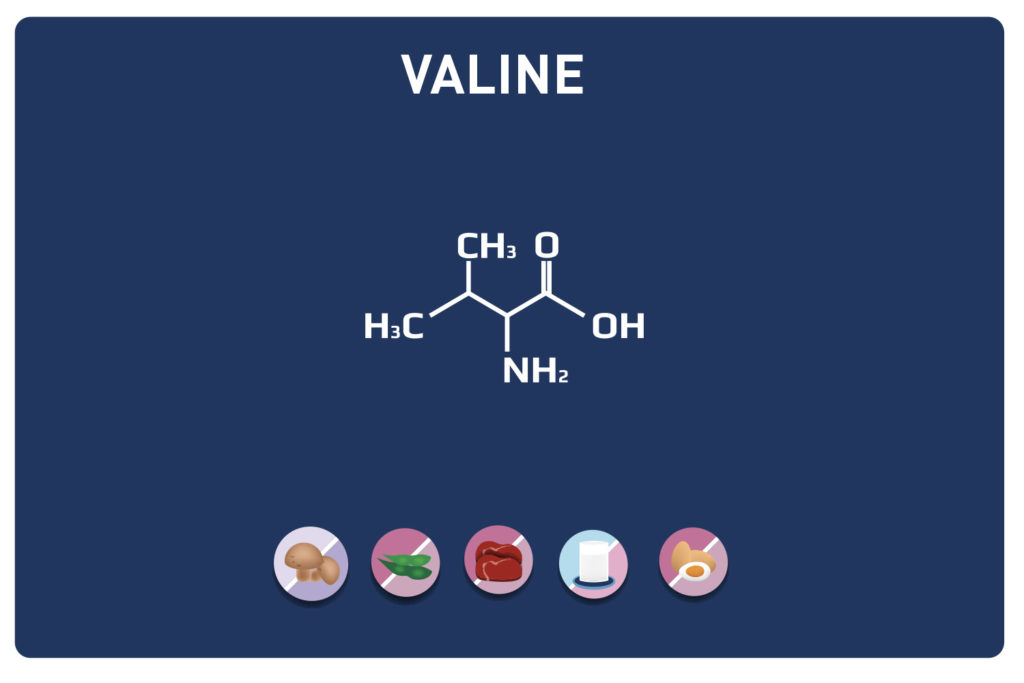

Branched Chain Amino Acids, LEUCINE, ISOLEUCINE and VALINE(BCAA)are neutral amino acids with a branching in their linear chain. They are part of the family of essential amino acids and therefore cannot be manufactured by the body.
BCAA AND ANABOLISM
BCAAs are directly metabolised in muscle tissue and exercise increases their uptake and utilisation in activated muscle. They have the ability (particularly leucine) to stimulate protein synthesis which gives them an anabolic (muscle building) effect1.
Researchers at the University of Rome found a significant improvement in lean body mass and strength following supplementation with 14 grams per day for 30 days of BCAAs (Leucine 50%; Isoleucine 25%; Valine 25%). At the same time, as demonstrated by the Yale University School of Medicine in New Haven, Connecticut, they actively combat proteolysis (muscle breakdown or catabolism)
2. A Swedish study 3 also showed a significant reduction in proteolysis in marathon runners and other endurance athletes when BCAAs were added.
BCAA AND FAT REDUCTION
BCAAs are an important source of energy and can promote fat loss when caloric intake is reduced, particularly at the visceral level (intra-abdominal fat).
In weight category sports and particularly in bodybuilding, this information is particularly interesting. . . losing fat weight while providing lean mass (muscle) protection and energy support... that's not so bad! In addition it would seem that a regular intake of BCAAs can lower the threshold of fatigue.
COACTIVE ELEMENTS OF BCAA
- B1-B2-B6-B8
- Copper - Magnesium
MAIN CHARACTERISTICS
LEUCINE : Anabolism - anti-stress - ketogenic - glycogenic
ISOLEUCINE : Anabolic - anti-stress - cytogenic
VALINE : Anabolism - anti-stress - glycogenic
- metabolized by the lipid pathway
- metabolised by the carbohydrate pathway
IMPORTANCE OF AMINO ACIDS DURING A DIET
Amino acids are of considerable interest for fat burning!
There are 22 amino acids that make up proteins. They are essential to us and are present in all the systems of our metabolism. They are involved in the production of energy, the production of hormones, the development and repair of muscle tissue, the regulation of PH, the activity of endocrine glands, the nervous system. . .
During a diet, calories are lowered but it is important, in view of their numerous interventions, to have a sufficient supply of amino acids, so as to avoid fatigue and muscle wasting. This will avoid "sluggish" slimming and will help to keep more tonicity.
Whether you gain weight or stay slim depends very much on hormones.
Growth hormone increases protein synthesis and promotes fat breakdown.
It is produced during sleep. This is why some people gain weight when they have a sleep disorder or lack sleep.
A targeted intake of certain amino acids will stimulate the body to produce enough 'slimming' growth hormone to promote the transport and burning of fat more quickly.
This is the case for example with. . .
-
Arginine
Involved in many metabolic processes, it is a powerful anti-oxidant, stimulates blood circulation and strengthens the immune system.
-
Ornithine (derived from Arginine or Proline)
Has an important action on muscle development and lowering the level of fat in the body.
Regulates the acid-base balance and firms the skin. In the kidneys, glutamine can be converted to glucose, and does so without affecting glucagon or insulin levels. by preventing this insulin-induced fat storage, glutamine prevents the storage of dietary fat.
-
Methionine
Plays an important role in the synthesis of many primordial proteins such as carnitine or melatonin. Methionine helps to dissolve fat and limits fat deposition in the liver.
-
Tryptophan
It has an anti-stress role and an action against insomnia. It is by promoting the action of serotonin, a neurotransmitter with a calming effect, that it allows the improvement of sleep quality. Tryptophan also facilitates the action of group B vitamins.